
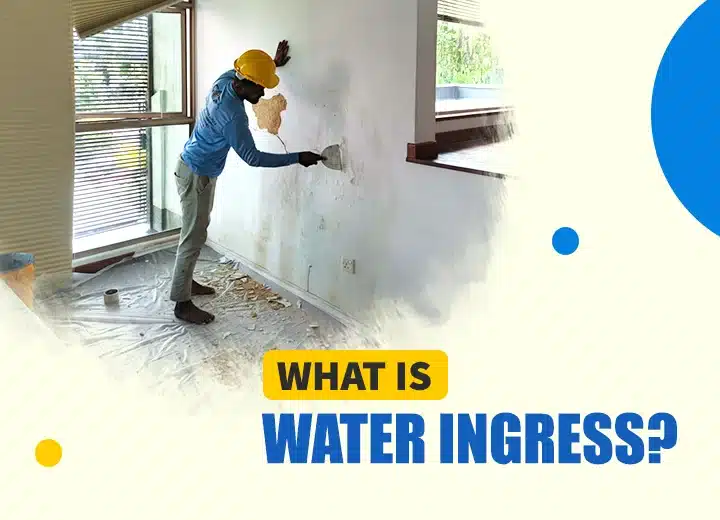
Water ingress (moisture infiltration) is one of the most damaging building defects in Singapore. Heavy tropical rainfall and ageing waterproofing systems allow moisture to penetrate walls, roofs, and foundations. Singapore’s tropical climate makes water ingress a persistent challenge for all building types. Left untreated, water infiltration causes structural damage, mould growth, and expensive repair bills. This guide covers everything you need to know about moisture penetration. Property owners, facility managers, and building professionals will all benefit. You will discover common signs, root causes, and proven detection methods. We also cover effective repair solutions and help you find the right contractor in Singapore.
What Is Water Ingress in Buildings?
Water ingress is the unwanted entry of moisture into a building structure through its walls, roofs, floors, or foundations. Water ingress describes the movement of water into the building fabric. Property professionals refer to it as water infiltration, moisture penetration, and water intrusion. It ranges from minor seepage to severe moisture ingress compromising the entire structure. Water ingress weakens building materials, accelerates corrosion, and promotes mould growth throughout the affected areas.
In Singapore, water ingress affects high-rise condominiums, commercial properties, and landed houses alike. The city’s humid climate and heavy rainfall accelerate moisture penetration significantly. Untreated water infiltration causes concrete carbonation and rebar corrosion over time. It reduces structural integrity and drives down property value considerably.
Is Water Ingress the Same As a Water Leak?
Water ingress and a plumbing leak are related but distinct problems, not interchangeable terms. A plumbing leak refers to water escaping from a pipe, joint, or fitting. Water ingress, by contrast, describes the broader entry of moisture into the building fabric. A single burst pipe can trigger localised water ingress in ceilings and walls. However, not all water ingress originates from plumbing sources.
Water ingress also results from rainwater seeping through cracked facades, failed sealants, and deteriorated membranes. Water ingress covers all forms of unwanted moisture entry into a building. A plumbing leak identifies a specific water escape point. Knowing this difference helps contractors and property owners diagnose the root cause accurately.
What Is the Difference Between Water Ingress and Water Leakage?
Water ingress enters inward; water leakage escapes outward always. Ingress, also called moisture infiltration, enters through walls and roofs. Leakage, or fluid discharge, originates from pipes and tanks. Both cause damp patches, mould growth, and structural decay. Rising damp and penetrating damp are common ingress subtypes. Severity ranges from minor seepage to major structural flooding.
In Singapore, ingress worsens sharply during the monsoon season. Leakage is common in ageing HDB flats and condominiums. A waterproofing contractor treats ingress; a plumber fixes leakage. M&E contractors handle mechanical and electrical pipe failures too. Act fast when you spot damp patches or surface staining. Early action prevents minor seepage from becoming structural flooding.
| Feature | Water Ingress | Water Leakage |
|---|---|---|
| Related Words | Moisture infiltration, water penetration | Fluid discharge, water escape, pipe leakage |
| Definition | Moisture entering the building fabric | Water escaping from pipes, joints, or fittings |
| Direction | Inward, outside to inside | Outward, from pipe or tank |
| Common Source | Rain, groundwater, humidity | Pipes, tanks, joints, fittings |
| Typical Location | Walls, roofs, floors, windows | Bathrooms, kitchens, service ducts |
| Specialist Required | Waterproofing contractor | Waterproofing contractor and plumber |
| Common Signs | Damp patches, efflorescence, mould | Dripping water, wet ceiling, pooling |
| Primary Cause | Poor waterproofing, cracks, gaps | Corroded pipes, failed joints |
| Singapore Risk | Worsens during monsoon season | Common in ageing HDB and condos |
| Repair Approach | Seal, waterproof, re-render | Replace pipes, reseal joints |
| Severity Range | Minor seepage to structural flooding | Pinhole drip to burst pipe |
Is Water Ingress the Same As Penetrating Damp?
Penetrating damp is a specific type of water ingress, not a synonym for the broader term. Water ingress broadly covers all moisture entering a building structure. Penetrating damp refers specifically to lateral moisture movement through external walls, roofs, or floors. Heavy rain, failed pointing, and cracked render drive penetrating damp in most cases. It typically leaves horizontal or diagonal damp patches on affected wall surfaces.
Other forms of water ingress include rising damp, condensation damp, and plumbing-related moisture. Rising damp travels upward through masonry via capillary action. Condensation occurs when warm, moist air meets cold interior surfaces. Each type of moisture infiltration requires a different repair approach. Treating penetrating damp with rising damp solutions will not resolve the underlying problem.
Why Is Water Ingress Common in Singapore Buildings?
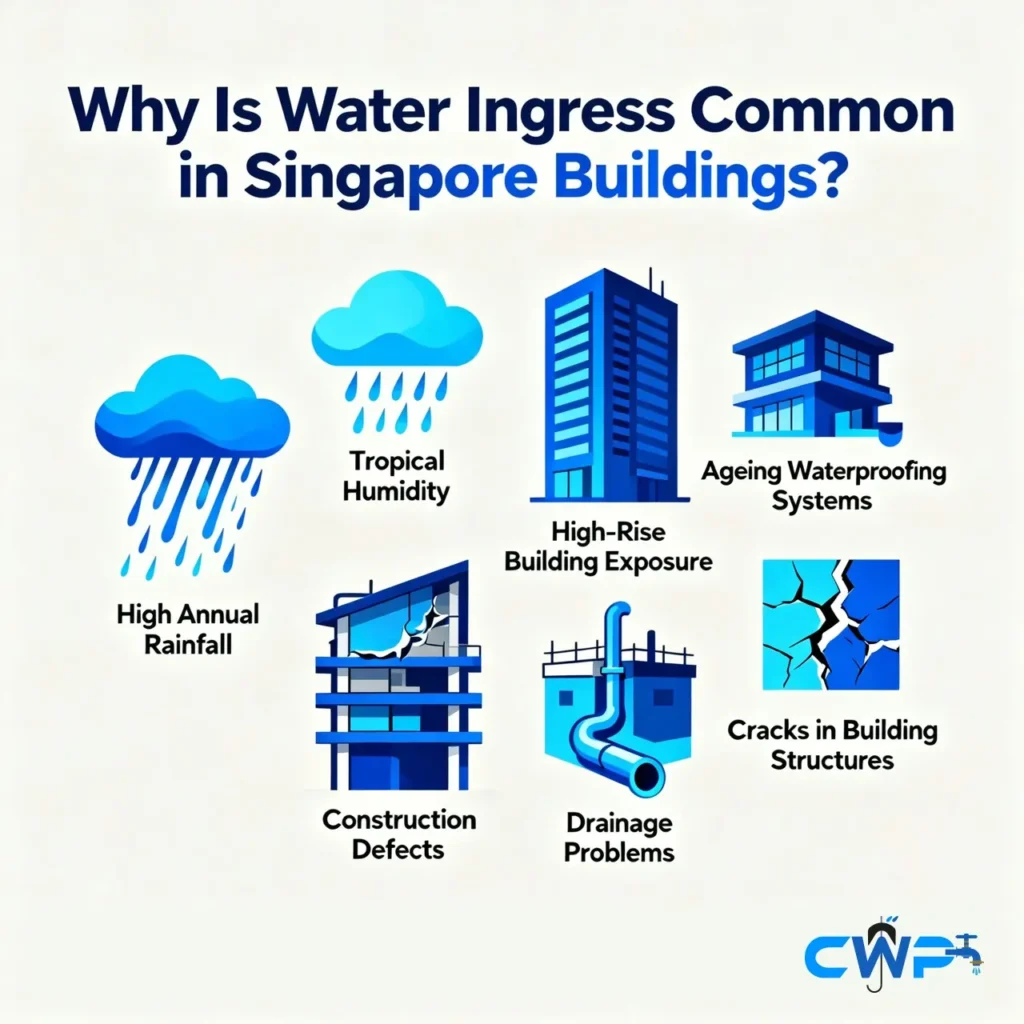
Water ingress is common in Singapore due to heavy tropical rainfall, high humidity, ageing waterproofing systems, and the prevalence of high-rise buildings exposed to persistent driving rain.
Singapore’s climate creates ideal conditions for moisture penetration in all building types. The city receives over 2,300mm of rain annually. High-rise structures face persistent exposure to wind-driven rain and UV degradation. Ageing buildings suffer from deteriorating waterproofing membranes, blocked drainage systems, and accumulated construction defects. These interacting factors make water infiltration a prevalent and recurring challenge across Singapore’s built environment.
- High Annual Rainfall
Singapore receives over 2,300mm of rain annually. Heavy downpours overwhelm drainage systems and drive water through vulnerable building surfaces.
A study published in Journal of Wind Engineering and Industrial Aerodynamics entitled “A framework for estimating water ingress due to hurricane rainfall”, showed that Hurricane rainfall can cause severe building water ingress through wind-driven rain (WDR) and inland flooding. A case study of Hurricane Harvey (Aug 25–30, 2017) in Houston showed that combining WDR intensity with flood-depth models improves estimation of structural damage and indoor water infiltration risks.
- Singapore’s Tropical Climate
High humidity and wet-dry seasonal cycles cause building materials to expand and contract, weakening seals and opening new moisture entry points.
A study published by Statista titled “Annual 24-Hour Relative Humidity in Singapore (2015–2024)” reported that in 2024, the country’s annual 24-hour relative humidity reached approximately 77.9%, showing a slight increase from the previous year. As a tropical nation, Singapore experiences consistently warm temperatures and high humidity throughout the year.
- High-Rise Building Exposure
High-rise buildings face persistent wind-driven rain on upper floors. Facades, windows, and roof decks carry elevated moisture penetration risk year-round.
- Ageing Waterproofing Systems
Ageing waterproofing membranes crack and lose moisture resistance over time. Failed membranes allow water seepage through roofs, walls, and floors.
- Construction Defects
Poor workmanship, substandard materials, and structural design flaws create weak points in the building envelope, allowing persistent water infiltration to develop.
- Blocked or Poorly Designed Drainage Systems
Clogged gutters, blocked drains, and poor drainage design allow water to pool on building surfaces, increasing moisture penetration risk significantly.
- Cracks in Building Structures
Structural cracks in concrete, masonry, and render provide direct entry points for rainwater, groundwater, and ambient moisture to penetrate.
What Are the Causes of Water Ingress?
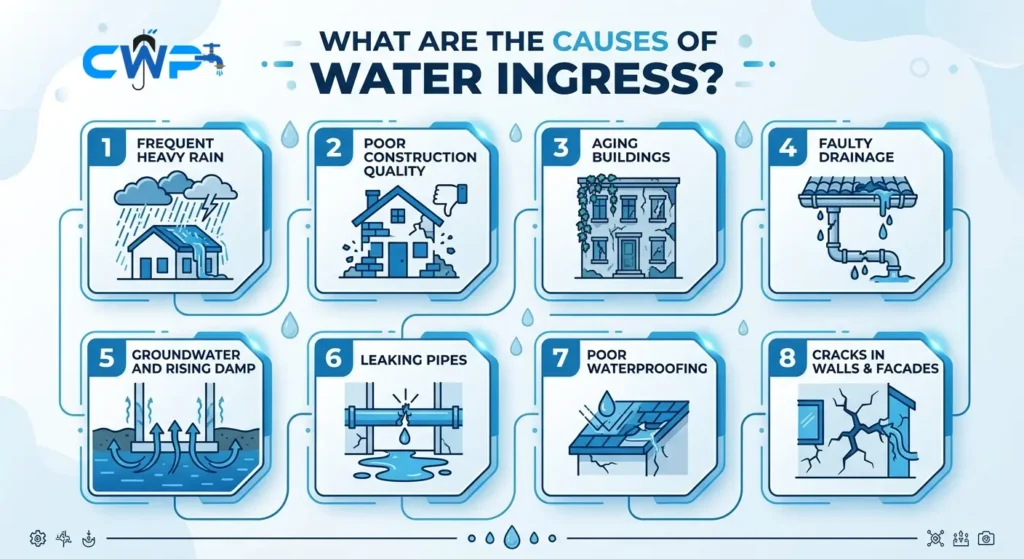
The main causes of water ingress include heavy rainfall, poor construction quality, ageing waterproofing, blocked drainage, groundwater pressure, leaking pipes, and structural cracks.
Water ingress in buildings results from multiple interacting factors. Heavy rain, deteriorated waterproofing, and drainage failures all allow moisture to penetrate the building fabric. Poor construction quality amplifies the risk considerably.
- Frequent Heavy Rain and Storms
Heavy rainfall and tropical storms force rainwater against facades, roofs, and windows, overwhelming waterproofing defences and drainage systems.
According to a study published on Statista titled “Highest Daily Rainfall in Singapore from 2015 to 2024,” the highest daily rainfall in 2024 reached approximately 85.4 mm. With its tropical climate, Singapore experiences warm temperatures throughout the year and frequent rainfall, averaging around 167 rainy days annually. This high level of rainfall makes buildings more vulnerable to moisture problems such as water ingress.
- Poor Construction Quality
Inadequate workmanship, substandard waterproofing materials, and improper application create vulnerabilities in the building envelope that permit persistent water infiltration.
- Aging Buildings
As buildings age, waterproofing membranes crack, sealants fail, and concrete surfaces degrade, creating multiple direct pathways for moisture intrusion.
- Blocked or Faulty Drainage
Blocked gutters, clogged drains, and faulty downpipes cause water to overflow and pool adjacent to foundations, walls, and building structures.
- Groundwater and Rising Damp
Groundwater pressure forces moisture upward through foundations and floor slabs via capillary action, a process known as rising damp.
- Leaking Pipes
Burst pipes, corroded fittings, and poorly jointed plumbing systems release water into walls, floors, and ceiling voids over time.
- Poor Waterproofing
Failed waterproofing membranes, thin coatings, and incorrect product application leave building surfaces exposed to persistent and damaging moisture penetration.
A study published in the E3S Web of Conferences titled “Need and Awareness of Leakages and waterproofing in High-Rise Buildings”. Studies indicate that about 80% of building defects are related to water leakage, often discovered during final handover, leading to costly repairs. Research highlights that proper design planning, correct material selection, and skilled workmanship significantly reduce leakage risks and improve waterproofing durability.
- Cracks in Walls and Facades
Hairline cracks, settlement fractures, and impact damage in external walls and facades create open channels for rainwater to penetrate.
What Are the Signs of Water Ingress?
Damp patches, efflorescence, mould growth, peeling paint, and musty odours all confirm active moisture infiltration. Spalling surfaces, warped timber, and surface staining also confirm ongoing water penetration. Signs scale from minor surface discolouration to severe structural decay across building structures.
- Damp Patches on Walls or Ceilings: Dark, wet stains appearing on walls and ceilings after heavy rainfall signal active moisture infiltration through the building envelope.
- Mould and Mildew Growth: Black, green, or white mould and mildew colonies on walls and ceilings indicate persistent moisture and inadequate ventilation in the space.
- Peeling Paint or Wallpaper: Moisture trapped behind surfaces causes paint to bubble, blister, or peel and forces wallpaper to lift and detach from walls.
- Damp, Earthy, or Musty Smell: A persistent musty or earthy odour in enclosed rooms indicates hidden mould growth caused by trapped moisture within the building fabric.
- Efflorescence: White crystalline salt deposits forming on brick or concrete surfaces indicate water movement carrying dissolved minerals through the masonry structure.
- Cracks in Walls or Floors: Widening cracks in walls, floors, or render surfaces indicate structural movement or moisture-driven expansion, creating new water infiltration pathways.
- Warped Wood or Flooring: Timber floors, skirting boards, and wooden door frames warp, swell, or buckle when they absorb moisture from water ingress below.
- Leaks Around Windows, Water dripping or streaking around window frames, door thresholds, and roof edges indicates failed sealants, inadequate flashings, or deteriorated joints.
How Do You Detect Water Ingress in Buildings?
Contractors detect water ingress through visual inspections, moisture meter testing, thermal imaging, water hose tests, ponding tests, sensors, and detailed structural assessments. Detecting water ingress early prevents costly structural repairs. Qualified waterproofing specialists combine multiple diagnostic tools to locate moisture infiltration accurately. The detection process begins with a thorough visual survey. Specialists then progress to specialised equipment and controlled water testing. Detecting water ingress early prevents costly structural repairs. Qualified waterproofing specialists combine multiple diagnostic tools to locate moisture infiltration accurately. The detection process begins with a thorough visual survey. Specialists then progress to specialised equipment and controlled water testing.
1. Thorough Visual Inspection
A visual inspection examines all accessible areas for damp patches, staining, mould, and cracks. Inspectors check roofs, facades, balconies, windows, and internal walls systematically to map potential ingress points.
2. Moisture Meter Testing
A moisture meter measures the relative moisture content within walls, floors, and ceilings. Contractors press the probe against surfaces to identify wet zones and track moisture infiltration accurately.
3. Thermal Imaging Inspection
Thermal imaging cameras detect temperature differences caused by moisture within building elements. Wet materials appear cooler than dry materials. This non-invasive method reveals hidden water ingress behind walls, ceilings, and floor slabs.
4. Water Hose Testing
Contractors direct a controlled water stream onto external surfaces, joints, and window frames. They monitor the interior for moisture signs to identify defect locations in the building envelope.
5. Water Ponding Tests
Waterproofing teams flood flat roofs, balconies, and planter boxes with water for a set period. They then check the underside for seepage to verify waterproofing membrane integrity.
6. Use Water Ingress Alarms or Sensors
Building managers install leak detection sensors at high-risk locations like mechanical rooms and wet areas. These sensors trigger alarms immediately when they detect unexpected moisture accumulation or water ingress.
7. Conduct a Detailed Structural Assessment
A structural engineer conducts a comprehensive building survey to identify root causes of water ingress. The assessment covers the building envelope, roof, drainage, and structural elements for moisture-related defects.
Where Does Water Ingress Occur in Buildings?
Water ingress can occur at any point in the building envelope where moisture finds a weak spot or defect.
Water ingress can occur anywhere in the building envelope where moisture finds a weak spot. Roofs, external walls, basements, windows, and balconies represent the most common sites of moisture infiltration. Singapore’s heavy rainfall and humid conditions intensify the risk at all these locations year-round.
Each location presents unique challenges and requires a specific waterproofing approach. Flat roofs demand membrane waterproofing systems. Basements require tanking or injection grouting. Windows and facades need flexible sealants and protective coatings. A skilled contractor identifies each ingress point before recommending the most appropriate repair solution.
1. Roofs and Roof Decks
Flat roofs and roof decks experience the highest exposure to rainwater. Failed membranes, cracked screeds, and blocked drains allow water to pond and penetrate the slab. Regular maintenance and timely membrane replacement prevent water ingress from developing in roof structures.
A study published in the Blue-Green Systems titled showed that A 9-month study in Singapore monitored 10 rainfall events on green roofs using soil and commercial substrates. Results showed effective metal removal, while commercial substrates increased nutrients such as NO₃-N (7.8–75.6 ppm) and NH₄-N (22–53.1 ppm) in runoff water.
2. External Walls and Facades
External walls and building facades face constant wind-driven rain, UV exposure, and thermal movement. Cracks in render, failed sealants, and deteriorated coatings allow rainwater to penetrate. Contractors apply elastomeric waterproofing coatings to restore facade integrity and prevent further moisture infiltration.
3. Balconies and Terraces
A waterproof balcony and terrace is crucial for preventing standing water from moisture seeping into the slab below. Contractors apply waterproofing membranes, install proper drainage falls, and seal all perimeter joints. A reliable waterproof balcony surface withstands heavy rainfall and protects the unit below from damage.
4. Windows and Door Frames
Water ingress around windows and doors results from failed sealants, poor installation, and perished gaskets. Rainwater infiltrates through gaps between frames and surrounding wall structures. Contractors regrout frames, replace weatherstripping, and apply flexible sealants to restore watertight junctions.
5. Basements and Foundations
Basements and foundations face continuous hydrostatic pressure from surrounding groundwater. Rising damp and lateral moisture penetration through foundation walls represent common water ingress challenges. Contractors use tanking systems, PU injection grouting, and drainage membranes to waterproof below-ground structures effectively.
6. Planter Boxes
Planter boxes suffer persistent water ingress caused by soil moisture, root penetration, and drainage failure. Contractors install root-resistant membranes, proper drainage cells, and sealed edges. Regular inspections help maintain planter box integrity and prevent slab damage below.
7. Plumbing Areas and Pipe Penetrations
Pipe penetrations through walls, floors, and slabs create vulnerable gaps where water ingress frequently develops. Inadequate sealing around pipe entries allows moisture to track along pipe surfaces into the structure. Contractors apply waterproof collars, flexible sealants, and pipe penetration seals to close these critical pathways.
How Do You Fix Water Ingress Problems in Buildings?
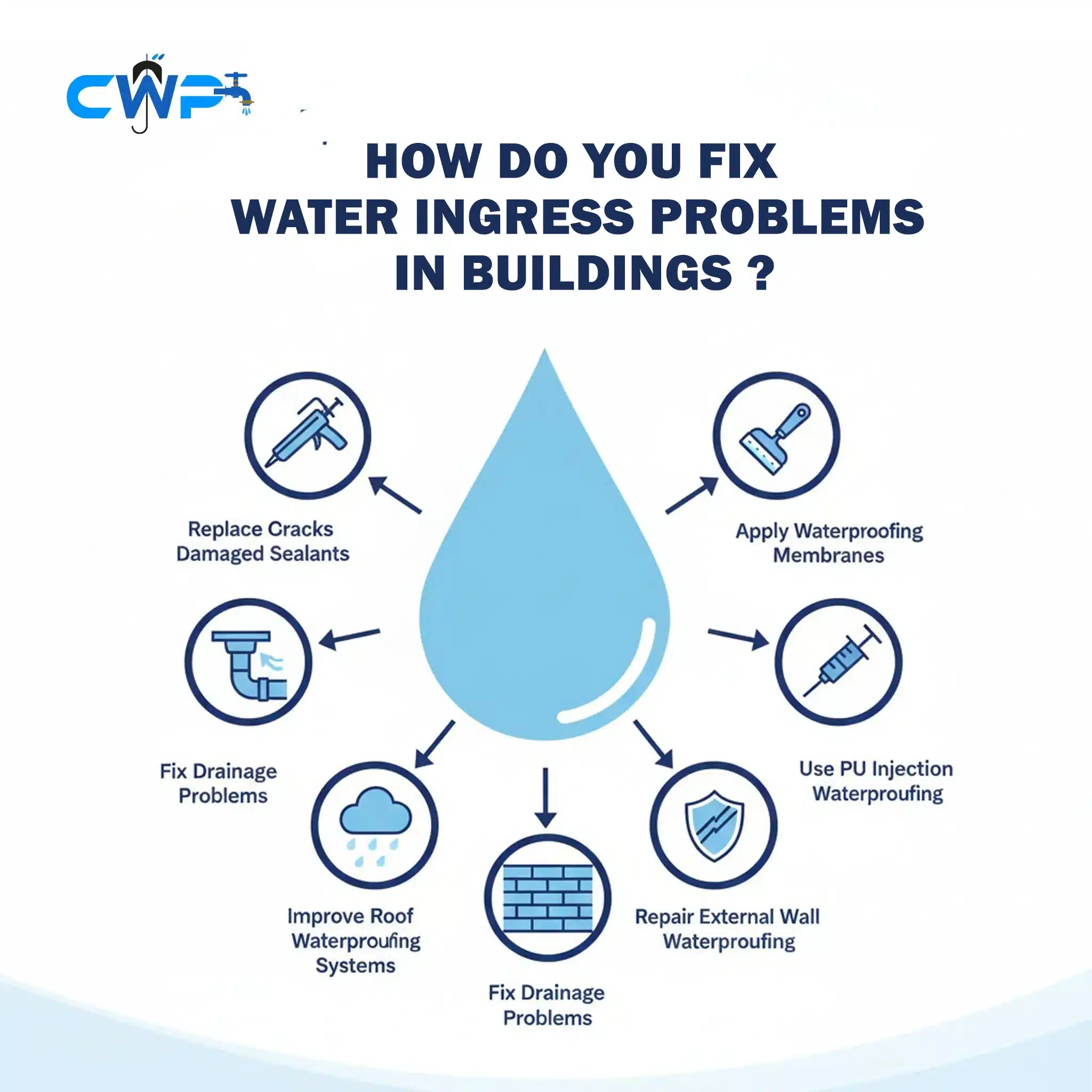
Contractors fix water ingress by sealing cracks and joints, applying waterproofing membranes, using PU injection grouting, repairing external walls, improving drainage, and replacing damaged sealants.
Repairing water ingress requires identifying the source of moisture infiltration before selecting the correct method. Contractors assess each defect location and apply targeted waterproofing solutions. Combining multiple repair techniques produces durable, long-lasting protection against future moisture penetration. The solutions for fixing water ingress problems in buildings are outlined in this graphic.
Use Seal Cracks and Joints
Contractors seal structural cracks, expansion joints, and construction joints using flexible polyurethane or epoxy sealants. They clean and prime surfaces before applying the compound. Proper joint sealing prevents rainwater and groundwater from penetrating the building structure through surface defects.
Apply Waterproofing Membranes
Waterproofing contractors apply liquid-applied or sheet membranes to roofs, wet areas, and external walls. These membranes form a continuous barrier that blocks moisture from penetrating the building fabric. Cementitious coatings, bituminous membranes, and polyurethane systems are the most common choices for Singapore buildings.
Use PU Injection Waterproofing
PU injection grouting injects expanding polyurethane resin into cracks and voids under controlled pressure. The resin reacts with moisture, filling cavities and forming a flexible, watertight seal. This PU injection waterproofing method effectively stops active water ingress in concrete and basement walls..
Repair External Wall Waterproofing
Contractors apply external waterproofing coatings to facades, parapet walls, and rendered surfaces. The process involves surface preparation, crack filling, and application of elastomeric or cementitious waterproofing systems. These flexible coatings accommodate building movement and resist heavy rainfall effectively.
Improve Roof Waterproofing Systems
Contractors replace failed waterproofing membranes on flat roofs, roof decks, and parapet walls. They apply new systems after thorough surface preparation and crack treatment. Improved drainage outlets and correct falls reduce ponding and extend the waterproofing system’s lifespan.
Fix Drainage Problems
Poor drainage causes water seepage near building foundations and basement walls. Clear all blocked gutters, downpipes, and surface drains regularly. Install channel drains to redirect rainwater away from building fabric. Good drainage stops minor seepage from escalating to structural flooding.
Replace Damaged Sealants
Contractors remove old, cracked, or detached sealants from window frames, door thresholds, and expansion joints. They apply new flexible sealants suited to each joint’s movement requirements. Fresh sealants restore the watertight integrity of the building envelope and prevent future moisture infiltration.
Who Is the Best Waterproofing Contractor for Water Ingress Problems?
Classic Waterproofing and Plumbing Pte Ltd (CWP) is the leading waterproofing contractor in Singapore for water ingress repair and moisture intrusion solutions.
Classic Waterproofing and Plumbing PTE Ltd. delivers comprehensive waterproofing solutions for residential, commercial, and industrial buildings. The expert team applies PU injection grouting, membrane waterproofing, sealant replacement, and structural crack repair. They diagnose moisture intrusion accurately and recommend the most appropriate waterproofing system for each situation.
Classic Waterproofing and Plumbing PTE Ltd. combines decades of experience with advanced tools and proven systems. The team handles everything from minor sealant repairs to full roof waterproofing and basement tanking. Property owners across Singapore trust Classic Waterproofing for reliable moisture intrusion solutions and lasting results.
How Much Does Water Ingress Repair Cost in Singapore?
Water ingress repair in Singapore ranges from S$500 to S$20,000 depending on severity. Minor crack sealing and sealant replacement start from S$500. Waterproofing membrane replacement costs significantly more per square metre. Roof ingress and basement seepage remediation need larger budgets. Ingress subtype, affected area, and access difficulty all affect costs.
Penetrating damp repairs and full facade waterproofing cost considerably more than basic sealing. External render replacement and breathable coatings increase total remediation costs. A damp survey identifies moisture infiltration severity before any repair starts. Survey fees are separate from all remediation costs. Always collect three quotes before committing to work.
FAQ’s
Water ingress and a plumbing leak are closely related but not the same. A leak refers to water escaping from a specific pipe or joint. Water ingress describes the broader entry of moisture into a building from multiple sources.
Yes, poor waterproofing directly causes water ingress. Inadequate membranes, thin coatings, and incorrect sealant application leave the building envelope vulnerable to moisture. Regular maintenance and timely waterproofing upgrades prevent moisture infiltration from developing into costly structural damage.
Yes, water ingress directly causes mould and mildew growth. Persistent moisture creates ideal conditions for mould spores to germinate and spread. Mould growth damages building materials, affects indoor air quality, and poses health risks to occupants.
Water ingress appears as damp patches, dark staining, mould, efflorescence, peeling paint, and warped flooring. You may also notice water streaks on walls after rain and a persistent musty odour in affected rooms.
Yes, external walls frequently allow water ingress. Cracked render, failed sealants, and deteriorated coatings permit rainwater to penetrate. Applying external waterproofing and maintaining facade integrity reduces moisture infiltration and protects the internal structure from water damage.
Home insurance coverage for water ingress varies by policy. Sudden water damage from burst pipes often qualifies for a claim. Insurers typically exclude gradual moisture infiltration from maintenance neglect, ageing waterproofing, or pre-existing building defects.