
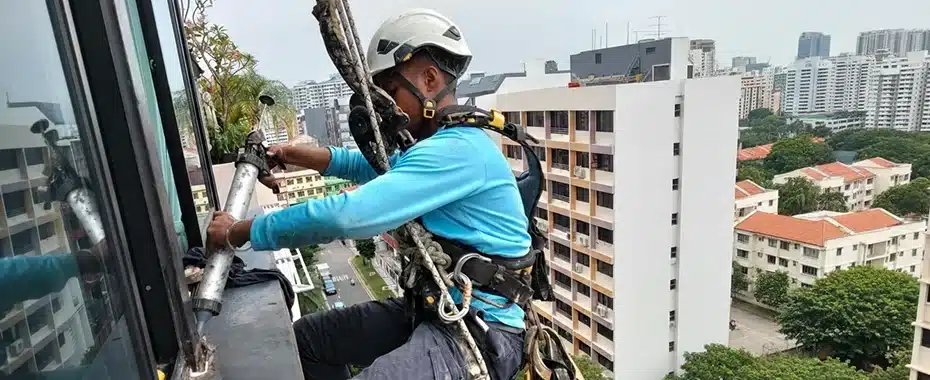
Waterproof sealant is a substance used to block water from entering or leaking into a surface. This article covers everything you need to know about moisture-proof sealant, including types such as silicone, polyurethane, acrylic, and epoxy. Each sealant is designed for specific applications, such as cracks, joints, or large surfaces. You need sealants for bathrooms, basements, or roofs, it’s crucial to use the right product for the job. We explain the importance of hiring professionals for larger or complex waterproofing tasks, and how we offer expert services across Singapore. With an understanding of costs, maintenance, and the benefits of each type, you can make informed decisions for your waterproofing needs.
What Is Waterproof Sealant?
Waterproof sealant is a flexible material that fills gaps, cracks and joints to prevent water from leaking through. It comes as thick paste or liquid that you squeeze from tubes or cartridges. Sealant coating stays flexible after it dries allowing surfaces to move without breaking the seal. It sticks strongly to most building materials including concrete, wood, metal, glass and plastic.
A study from Science Direct entitled “Three designs for the internal release of sealants, adhesives, and waterproofing chemicals into concrete to reduce permeability” showed that Modern construction often requires engineered barriers to prevent hazardous leaks, especially since concrete is naturally brittle and porous and can deteriorate over time. Research highlights the effectiveness of internally placed encapsulators containing sealants, adhesives, and waterproofing agents that release protective chemicals when cracks form. These brittle fibres break along with the concrete matrix, delivering sealants exactly where damage occurs.
This study, focusing on permeability and cracking confirm that this targeted release improves durability and strengthens protective barriers, making waterproof sealants a valuable solution for extending the service life of concrete structures.
Is Waterproof Sealant Different from Waterproof Coating?
Yes, waterproof sealant is different from waterproof coating. Waterproof sealants are often thicker and more focused on sealing gaps and cracks. Waterproof coatings form a continuous protective layer over large areas. Here’s a quick comparison table:
| Property | Waterproof Sealant | Waterproof Coating |
|---|---|---|
| Function | Fills gaps, joints and cracks | Forms a continuous layer to prevent water |
| Application | Applied on cracks, joints, and seams | Applied over large surfaces |
| Durability | Flexible, works well for small repairs | Strong and long-lasting |
| Use | Ideal for smaller repairs and targeted areas | Used for complete surface protection |
How Does Waterproof Sealant Work?
Waterproof sealant works by filling gaps and creating flexible waterproof barriers that prevent water penetration. When you apply sealant, it flows into cracks and joints between materials. The sealant sticks strongly to both surfaces on either side of the gap.
A study from Science Direct entitled “Three designs for the internal release of sealants, adhesives, and waterproofing chemicals into concrete to reduce permeability”, Research highlights the use of internally embedded fibres or encapsulators that release sealants and waterproofing agents when cracks form. This targeted response reduces permeability, prevents further damage, and improves durability. Long-term field studies confirm that such self-activating systems enhance structural performance and provide reliable waterproofing in demanding environments.
How sealant creates waterproof barriers:
- Flows into gaps filling them completely
- Adheres strongly to both surfaces
- Cures into flexible rubber-like material
- Blocks water whilst allowing movement
- Maintains seal through temperature changes
- Prevents water from finding paths through
Why Is Waterproof Sealant Important?
Waterproof sealant is important because it completes waterproofing systems by sealing joints that coatings cannot cover. Even the best waterproofing coatings fail without proper sealing of edges and connections. Water finds tiny gaps around pipes, drains, windows and doors causing leaks. Sealants fill these vulnerable points preventing water damage to buildings. Without sealant, waterproofing systems develop leaks at joints within months of installation. Proper sealing protects buildings whilst accommodating necessary movement between materials.
In Residential Buildings
Waterproof sealant is important in residential buildings for preventing leaks in bathrooms, kitchens and windows. Bathroom sealant around baths, showers and sinks stops water leaking to rooms below. Kitchen sealant protects cabinets and floors from water damage around sinks. Window and door sealant prevents rain from entering homes during storms. Balcony sealant seals joints preventing water from leaking into apartments below.
Key residential applications:
- Bath and shower edges
- Sink and basin perimeters
- Window and door frames
- Balcony expansion joints
- Roof flashing connections
- External wall penetrations
In Commercial Buildings
Waterproof sealant is important in commercial buildings for maintaining weather-tight envelopes and preventing expensive damage. Façade sealant keeps rain out of office buildings and shops. Roof sealant prevents leaks that damage stock, equipment and documents. Car park sealant stops water leaking to lower levels. Commercial kitchens use sealant around equipment and drains for hygiene. Shopping centres need sealant around glazing and structural joints.
Key commercial applications:
- Curtain wall joints and glazing
- Roof expansion joints
- Car park deck joints
- Kitchen equipment seals
- Structural movement joints
- Service penetrations
In Industrial Facilities
Waterproof sealant is important in industrial facilities for protecting equipment and maintaining production environments. Factory floor sealant prevents water and chemicals from damaging concrete. Tank sealant creates watertight seals for storage and processing. Pipe penetration sealant stops leaks around services passing through walls. Clean room sealant maintains controlled environments. Loading dock sealant prevents weather entering warehouses.
Key industrial applications:
- Floor expansion joints
- Tank and vessel seals
- Pipe and cable penetrations
- Clean room joints
- Loading bay seals
- Equipment mounting points
In Infrastructure Projects
Waterproof sealant is important in infrastructure projects for protecting bridges, tunnels and public works. Bridge deck sealant prevents water damaging structures and reinforcement. Tunnel sealant keeps groundwater from entering transport systems. Water treatment sealant maintains tank integrity. Road joint sealant prevents water undermining pavements. Dam sealant controls water movement through concrete structures.
Key infrastructure applications:
- Bridge expansion joints
- Tunnel lining joints
- Water tank seals
- Road and pavement joints
- Dam control joints
- Reservoir seals
What Are the Types of Waterproofing Sealants?
Waterproofing Sealants types include Silicone Waterproof Sealant, Polyurethane (PU) Waterproof Sealant, PU Injection Waterproofing, Acrylic Waterproof Sealant, Bituminous (Asphalt-Based) Sealant, Cementitious Waterproof Sealant, Epoxy Waterproof Sealant, and Hybrid Polymer (MS Polymer) Sealant.
Each waterproofing material offers unique properties for different sealing applications. Silicone sealants are flexible and resist weathering excellently. Polyurethane sealants provide tough durable seals for demanding conditions. Acrylic sealants are paintable and economical for general use. Bituminous sealants work underground resisting water pressure. Cementitious sealants bond to concrete permanently. Epoxy sealants resist chemicals and heavy loads. Hybrid polymer sealants combine benefits of different technologies.
1. Silicone Waterproof Sealant
Silicone waterproof sealant is a flexible rubber-like material that creates long-lasting waterproof seals around bathrooms and windows. It contains silicone polymers that cure by reacting with moisture in the air. Silicone sealant remains permanently flexible allowing surfaces to move without breaking seals. It resists UV damage, mould growth and temperature extremes excellently.
A study from Science Direct entitled “Understanding degradation mechanism for long-term natural weathering of building silicone sealant to guide future façade design, inspection, and accelerated testing methods” showed that silicone sealants exposed to decades of natural weathering, particularly acid rain, experienced microcracking and reduced flexibility. However, the material maintained required performance standards, confirming its durability. For Singapore’s humid, high-rise environment, silicone sealants remain a reliable solution for façade waterproofing and long-term structural protection.
2. Polyurethane (PU) Waterproof Sealant
Polyurethane (PU) waterproof sealant is a tough elastic material that creates strong seals in construction joints and moving connections. It contains polyurethane polymers that cure by reacting with moisture forming durable bonds.
A study from Science Direct entitled “Preparation of thermoplastic polyurethane sealant and its adherence properties under various environments” showed that a thermoplastic modified polyurethane (TP-MPU) sealant designed for effective crack repair in cement-based surfaces. Engineered with optimized material ratios, the sealant demonstrates strong tensile strength, high flexibility, good oil resistance, and reliable adhesion even in dusty and low-temperature conditions. Microstructural analysis confirmed its mechanical durability and bonding capability. However, performance declines in highly humid environments, indicating that environmental conditions play a crucial role in achieving optimal sealant adhesion and long-term repair effectiveness.
3. PU Injection Waterproofing
PU injection waterproofing is a specialized technique using polyurethane foam or gel injected into cracks to stop leaks. It involves pumping liquid polyurethane under pressure directly into leaking cracks and voids.
A study from Science Direct entitled “Evaluation of polyurethane resin injection for concrete leak repair”, showed that evaluates the effectiveness of polyurethane resin injection for stopping water leakage in concrete structures. Findings show that untreated concrete has low resistance to water flow, while traditional waterproofing only slightly reduces permeability. In contrast, polyurethane resin expands upon contact with water, forming a durable and flexible foam that seals cracks and voids. Experimental results confirm that this method significantly reduces permeability and provides a reliable solution for preventing leaks in structures such as basements, tunnels, water tanks, and retaining walls.
4. Acrylic Waterproof Sealant
Acrylic waterproof sealant is a water-based flexible material that provides economical sealing for low-movement joints. It contains acrylic polymers that cure through water evaporation forming paintable seals.
A study from Science Direct entitled “Accelerated aging and aging mechanism of acrylic sealant”, showed that the effects of accelerated aging, heat, UV exposure, and xenon arc on one-component acrylic latex sealants. It finds that sealants with higher modulus resist UV better, and aging leads to molecular structure changes, degrading mechanical properties over time.
5. Bituminous (Asphalt-Based) Sealant
Bituminous (asphalt-based) sealant is a thick tar-like material that creates waterproof seals in underground and foundation applications. It contains bitumen derived from petroleum mixed with fillers and polymers. Bituminous sealant resists water pressure and soil chemicals excellently making it perfect for below-ground use.
A study from EBSCO entitled “Analysis for green product certification requirements of waterproof materials and sealants” showed that green certification for waterproof materials and sealants evaluates resource efficiency, energy consumption, environmental impact, and product quality. For Singapore’s sustainability-focused construction sector, adopting certified waterproofing solutions such as elastomer-modified asphalt membranes can support regulatory compliance, improve durability, and promote environmentally responsible building practices.
6. Cementitious Waterproof Sealant
Cementitious waterproof sealant is a cement-based material that integrates with concrete waterproofing systems perfectly. It contains special waterproof cement, polymers and additives forming strong bonds. Cementitious sealant bonds permanently to concrete becoming part of the structure. It breathes naturally like concrete preventing pressure buildup behind seals.
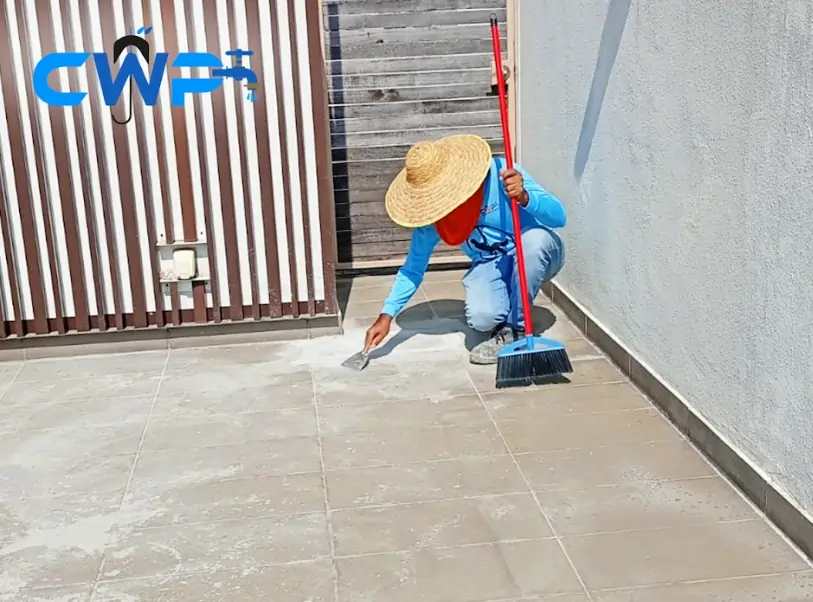
A study from Trans Tech Publications Ltd. and integrated into the Scientific.Net website entitled “Review on Application of Polymer Concrete in Singapore” showed that cementitious and polymer-modified waterproofing materials have been essential in Singapore’s public housing projects since the 1960s, and remain crucial for ensuring long-term building performance, particularly in large-scale residential construction and renovation projects.
7. Epoxy Waterproof Sealant
Epoxy waterproof sealant is a two-part chemical-resistant material that creates extremely strong rigid seals. It contains epoxy resin and hardener that mix together creating permanent bonds. Epoxy sealant is the strongest type resisting chemicals, abrasion and heavy loads. It bonds to almost all materials including metals, concrete, ceramics and composites.
A study from Science Direct entitled “Preparation and performance of an asphalt pavement sealant with waterborne epoxy resin” showed that a composite modified asphalt sealant, WER-SBS-EA, which incorporates waterborne epoxy resin (WER) and styrene butadiene styrene (SBS). The sealant improves bonding strength, resists aging, and extends the service life of asphalt pavements, aiding in effective maintenance.
8. Hybrid Polymer (MS Polymer) Sealant
Hybrid polymer (MS polymer) sealant is an advanced material combining benefits of silicone and polyurethane technologies. It contains modified silane polymers offering excellent all-round performance characteristics. Hybrid sealant is flexible like silicone whilst being paintable and UV-resistant like polyurethane.
A study from Wiley Online Library entitled “Preparation of silica/epoxy hybrid polymers as sealing layers on ceramic coatings and their stability study upon thermal treatment” showed that the creation of hybrid polymers by reacting amine-end silica sol (NH2-silica) with epoxy. The hybrids show improved thermal stability and infiltration properties when applied as sealants on ceramic coatings, enhancing the longevity of steel structures at high temperatures.
When Should You Hire a Professional for a Waterproof Sealant Service Provider?
You should hire a professional for waterproof sealant service when facing complex sealing projects, large-scale applications, or critical waterproofing needs. Professional sealant contractors have expertise, proper tools and quality materials for long-lasting results. They understand which sealant types suit different materials and conditions. Professionals guarantee their work providing warranties protecting your investment. Hiring experts saves money by preventing failures requiring expensive repairs. Complex projects involving façades, basements or swimming pools need professional waterproofing skills.
Hire professionals when:
- Project involves large areas or multiple floors
- Sealing critical areas like basements or pools
- Working with expensive materials needing expert care
- Dealing with active leaks requiring immediate repair
- Need warranty protection for peace of mind
- Lack time, tools or skills for proper application
- Project involves safety risks like heights
- Require specific certifications or approvals
- Facing complex multi-material sealing challenges
- Want guaranteed long-lasting professional results
How Do You Find the Best Waterproof Sealant Service Provider?
You find the best waterproof sealant service provider by researching companies, checking credentials, reading reviews and comparing quotes. Start by asking friends and family for recommendations from their successful projects. Search online for waterproofing contractors in Singapore with good ratings. Check company websites for experience, services offered and completed projects. Verify contractors hold proper licenses and insurance protecting you from liability. Read customer reviews on multiple platforms identifying consistently highly-rated providers.
Research methods include:
- Ask for personal recommendations from trusted sources
- Search online directories and review platforms
- Check company websites and portfolios
- Verify licenses and insurance coverage
- Read customer testimonials and reviews
- Contact industry associations for referrals
- Visit completed projects if possible
- Check how long company has operated
- Assess professional website and communication
- Review before-and-after project photos
What Questions to ask contractors?
- How many years’ experience do you have?
- What sealant brands do you recommend?
- Can you provide references from past clients?
- What warranty do you offer?
- Are workers trained and certified?
- What is your project timeline?
- How do you handle problems or failures?
- What preparation work is included?
- Do you guarantee your work?
- What insurance coverage do you carry?
Credentials to verify:
- BCA contractor license
- Professional association memberships
- Manufacturer product certifications
- Worker training certificates
- Public liability insurance
- Workmen compensation coverage
- Safety certifications
- References from past projects
- Awards or industry recognition
- Years in business
Who Provides Professional Waterproof Sealant Services in Singapore?
Classic Waterproofing & Plumbing (s) Pte Ltd (CWP) provides professional waterproof sealant services in Singapore with experienced teams and quality materials. They specialize in complete waterproofing solutions including sealant application for residential and commercial projects. CWP offers silicone, polyurethane, hybrid polymer and other premium sealant services. Their trained technicians handle bathroom sealing, façade joints, basement waterproofing and specialized applications. CWP provides warranties on workmanship giving customers confidence in long-lasting protection. They use only quality sealants from reputable manufacturers ensuring reliable performance.
- Experienced Services: Classic Waterproofing & Plumbing (s) Pte Ltd has extensive experience in the waterproofing industry. Our team is skilled in applying various Anti-leak sealants that ensure your property remains safe from water damage. A study from Taylor & Francis Online entitled “Perception Study of Building Professionals on the Issues of Green Roof Development in Singapore” showed that the importance of skilled waterproof contractors in addressing installation concerns and ensuring durable, leak-free green roof systems.
- Customised Solutions: We understand that every project is unique. We offer tailored waterproofing solutions to suit your specific needs, whether for residential, commercial, or industrial properties.
- Competitive Pricing: We provide competitive pricing for all Protective sealant services without compromising on quality. CWP offers transparent quotes, so you know exactly what you’re paying for. Our goal is to make professional waterproofing services accessible to all.
- Warranty Support: CWP provides warranties on all our waterproofing work to give you peace of mind. Our commitment to quality means we stand behind our services.
How Much Does Waterproof Sealant Service Cost in Singapore?
Waterproof sealant service cost in Singapore ranges from SGD $5 to $50 per metre depending on sealant type and application complexity. Simple bathroom silicone sealing costs SGD $5 to $15 per metre for standard applications. Polyurethane construction joint sealing costs SGD $15 to $30 per metre professionally installed. Hybrid polymer premium sealing costs SGD $25 to $50 per metre for façade work. PU injection waterproofing costs SGD $50 to $150 per metre for crack repairs. Minimum call-out charges typically start from SGD $150 to $300 for small jobs.
Bathroom complete resealing typically costs SGD $500 to $2,000 for professional caulking compound services. This includes removing old sealant, surface preparation and applying new silicone around baths, showers and sinks. Kitchen sealing costs SGD $200 to $500 for sinks and worktop joints. Balcony sealing costs SGD $1,000 to $3,500 depending on size and number of joints. Swimming pool joint resealing costs SGD $5,000 to $15,000 for complete treatment. Window and door frame sealing costs SGD $50 to $150 per opening.
How Long Does Waterproof Sealant Last in Singapore?
Waterproof sealant lasts between 5 to 25 years in Singapore depending on type, application quality and environmental exposure. Silicone sealant typically lasts 10 to 15 years in bathrooms and protected locations. Polyurethane sealant lasts 10 to 20 years in construction joints and façades. Acrylic sealant lasts only 3 to 8 years in low-movement interior applications. Hybrid polymer sealant lasts 15 to 25 years providing premium long-term performance. Bituminous sealant lasts 20 to 30 years in underground foundations.
FAQ’s about Waterproof Sealant
Yes, nano waterproof sealant is effective for creating invisible water-repellent barriers on various surfaces. Nano technology uses microscopic particles that bond deeply into materials creating long-lasting protection. It works excellently on porous surfaces like concrete, stone and brick. However, nano sealants provide water repellency not complete waterproofing like traditional sealants. They are best for reducing water absorption rather than sealing gaps and joints completely.
Yes, waterproof sealants are safe for indoor use when you choose low-VOC or water-based formulations. Silicone and acrylic sealants have low odour making them suitable for occupied buildings. Avoid solvent-based polyurethane indoors due to strong fumes during curing. Always ensure good ventilation when applying any sealant type. Look for products labelled as low-odour or safe for indoor use. Food-safe sealants exist for kitchen applications around food preparation areas.
Yes, waterproof sealant is suitable for bathrooms and wet areas when you use appropriate types. Silicone sealant is the best choice for bathrooms resisting water and mould growth. Use sanitary-grade silicone specifically designed for wet environments. Apply sealant around baths, showers, sinks and toilet bases. Protective sealant prevents water leaking behind tiles and fittings causing damage. Quality bathroom sealants last 15 to 25 years with proper application.
Thorough surface preparation is needed before applying waterproof sealant for strong lasting bonds. Remove all old sealant, dirt, grease and loose material completely. Clean surfaces with appropriate cleaners and let them dry fully. Repair any cracks or damage in substrates before sealing. Use masking tape for neat straight sealant lines. Some materials need primers for proper sealant adhesion. Proper preparation ensures sealant sticks strongly and lasts many years.
You can apply waterproof sealant yourself for simple small projects like resealing a bath. However, professionals like CWP.com.sg are best for critical waterproofing and large projects. DIY application works for straightforward joints with minimal movement requirements. Professional contractors ensure proper sealant selection, surface preparation and application techniques. They provide warranties protecting your investment from failures. Complex projects involving façades, basements or swimming pools always need professional expertise and equipment.
Hybrid polymer and silicone waterproof sealants are best for Singapore’s climate due to superior UV resistance. Singapore’s intense tropical sun degrades lesser sealants quickly requiring UV-resistant formulations. Hybrid polymer sealants combine flexibility with excellent weathering resistance perfectly. Silicone sealants resist heat, humidity and UV damage lasting 15 to 25 years. Choose mould-resistant formulations for Singapore’s high humidity conditions. Avoid basic acrylic sealants outdoors as they degrade rapidly from tropical weather exposure.