
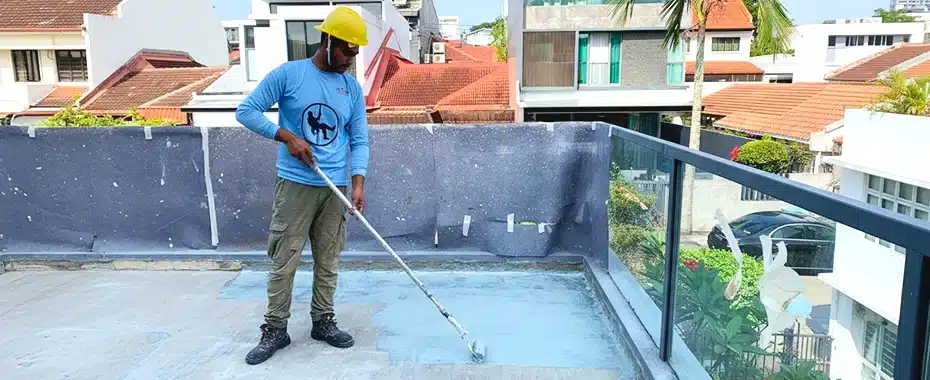
Floor waterproofing refers to the process of applying a protective barrier on floors to prevent water damage. Floor water barrier is essential for maintaining building integrity and preventing expensive repairs. Leaking floors damage ceilings and rooms below requiring costly remediation. Water penetration weakens floor structures reducing their load-bearing capacity dangerously. Damp floors promote mould and mildew causing health problems for occupants. Floor moisture protection prevents these issues saving money and protecting health. It increases property values making buildings more attractive to buyers. Quality Floor damp-proofing installed during construction lasts 15 to 25 years. Professional waterproofing ensures complete protection meeting building standards and codes.
What Is Floor Waterproofing?
Floor waterproofing is applying protective coatings or membranes to floors preventing water from soaking through. It creates barriers that stop water from penetrating floor structures causing damage. Water can seep through floors damaging rooms below, rotting wooden structures and weakening concrete. Floor sealing keeps buildings dry, safe and prevents expensive water damage.
Bathrooms, kitchens, balconies and basements all need proper Moisture-proof flooring. Without waterproofing, water leaks cause mould growth, structural problems and unhealthy living conditions. Quality waterproof floor coating protects your property investment for many years.
A study from ResearchGate titled “Framework in Developing Model of Interfloor Leakage in High-Rise Residential Buildings in Malaysia” showed that interfloor leakage issues in strata communities focus on their impact on repair costs, occupant safety, and disputes. It explores management, legislation, and owner satisfaction, aiming to improve repair processes and reduce conflicts in strata management.
What Are the Different Types of Floor Waterproofing?
Floor waterproofing types include liquid membranes, cementitious coatings, bituminous systems, polyurethane, sheet membranes, epoxy and crystalline treatments. Considering all these aspects, the different types of floor waterproofing are categorized as follows.
1. Liquid Waterproofing Membrane on Floor
Liquid waterproofing membrane for floors is a flexible coating applied with brushes or rollers creating seamless barriers. It comes as liquid polyurethane, acrylic or hybrid polymer formulations. The liquid spreads easily across floor surfaces including around drains and edges. It dries forming rubber-like membranes that stretch without cracking or breaking. Liquid membranes create complete waterproof barriers with no joints or seams. They accommodate floor movement from temperature changes or structural settlement. Liquid membrane waterproofing is perfect for bathrooms, balconies and complex floor shapes.
A study from the American Society of Civil Engineers entitled “Performance of Lightweight Wet-Room Floor with Two Waterproof Membranes” showed that liquid waterproofing membranes for floors shows that a twin-floor system with two membranes and a water-resistant cast compound effectively prevents water penetration. The secondary membrane ensures reliable protection, highlighting the importance of a redundancy layer for durable wet-room flooring.
Why Use Liquid Waterproofing Membrane?
You should use liquid waterproofing membrane for floors needing flexible seamless protection. It handles floor movement better than rigid cementitious systems do. Liquid membranes apply easily around floor drains, pipes and penetrations. The seamless coverage eliminates weak points where leaks might occur. It works excellently on balcony floors exposed to weather and UV. Liquid membranes accommodate thermal expansion preventing cracking failures. The flexibility ensures long-lasting performance despite floor movement.
2. Cementitious Floor Waterproofing
Cementitious floor waterproofing uses cement-based coatings creating waterproof barriers on concrete floors. It contains waterproof cement, sand and special additives mixed with water.
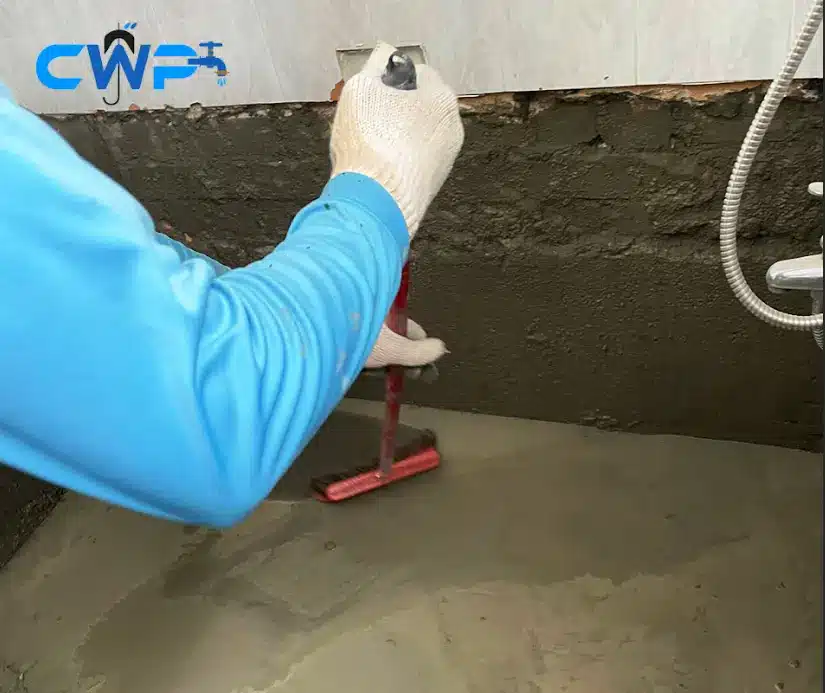
The mixture applies like screed forming hard protective layers when dry. Cementitious waterproofing bonds permanently to concrete floor substrates very strongly. It is one of the most affordable and reliable coating methods. The coating breathes naturally preventing pressure buildup under floors. It is safe for drinking water contact in tank floors.
Why Use Cementitious Floor Waterproofing?
You should use cementitious floor waterproofing for bathroom and wet area floors. It provides excellent protection for floors facing constant moisture exposure. Cementitious coatings bond strongly to concrete creating permanent waterproof barriers. The material is economical making it perfect for large floor areas. It accepts tiles and finishes directly without special preparation needed. Cementitious waterproofing is non-toxic and environmentally friendly using natural materials. The coating lasts 10 to 15 years with proper application.
A study from Trans Tech Publications Ltd integrated into the Scientific.Net website. entitled “Polymer-Modified Cement Waterproofing Coating and Cementitious Capillary Crystalline Waterproofing Materials: Mechanism and Applications” showed that polymer-modified cement coatings and crystalline waterproofing materials, highlighting their mechanisms, application factors, and growing use in modern buildings due to their performance, cost-effectiveness, and economic benefits.
3. Bituminous Floor Waterproofing
Bituminous floor waterproofing uses tar-like materials creating strong barriers on basement and foundation floors. It contains bitumen derived from petroleum mixed with fillers and polymers. Bituminous waterproofing comes as liquid coatings or pre-made sheets applied to floors. The material resists water pressure and ground moisture excellently underground. Bituminous systems create tough durable barriers lasting 20 to 30 years. They work perfectly on floors below ground level facing constant moisture. Bituminous waterproofing does not need UV resistance working underground permanently.
Why Use Bituminous Floor Waterproofing?
You should use bituminous floor waterproofing for basement and foundation floors. It handles constant groundwater pressure better than most other systems. Bitumen resists soil chemicals that would damage other waterproofing types. The material is economical for large basement floor areas. It provides proven reliable performance used successfully for over a century. Bituminous waterproofing bonds permanently to concrete basement floors. The tough coating protects floors from water and chemical attack.
A study from Science Direct entitled “Experimental investigation on mechanical properties of polyurethane modified bituminous waterproofing membrane” showed that Bituminous waterproofing membranes are polymer-modified bitumen sheets reinforced with fibres, providing a durable, flexible barrier against water infiltration on roofs, basements, and structures. Their mechanical strength, weather resistance, and versatility make them a widely used waterproofing solution in construction.
4. Polyurethane (PU) Floor Waterproofing
Polyurethane (PU) floor waterproofing is a highly flexible elastic coating creating durable waterproof barriers. It contains polyurethane polymers curing into rubber-like membranes on floors. PU waterproofing is tougher and more abrasion-resistant than many other types. It handles foot traffic, furniture movement and cleaning without damage. Polyurethane floor waterproofing resists UV damage, chemicals and weathering excellently. It is ideal for balconies, terraces and areas needing long-lasting protection. PU waterproofing remains flexible for decades accommodating floor movement perfectly.
A study from EasyChair Ltd entitled “Durability of polyurethane – cement floors”, showed that Polyurea-based polyurethane (PU) floor waterproofing offers excellent watertightness, high wear resistance, chemical and mechanical durability, and elasticity. Popular in construction since the 1980s, its proper application ensures long-lasting protection, while misuse can lead to performance issues.
Why Use Polyurethane Floor Waterproofing?
You should use polyurethane floor waterproofing for floors needing tough flexible protection. PU handles more traffic and abrasion than softer waterproofing types. It resists UV damage making it perfect for exposed outdoor floors. Polyurethane accommodates floor movement without cracking or failing over time. The material resists chemicals making it suitable for various applications. PU waterproofing provides long-lasting protection in demanding floor conditions. It justifies higher costs with superior performance and longevity.
5. Sheet Membrane Floor Waterproofing
Sheet membrane floor waterproofing uses pre-manufactured waterproof sheets laid on floor surfaces. The sheets are made from bitumen, PVC, HDPE or rubber materials. Workers roll sheets across floors overlapping all joints properly for complete coverage. Sheets stick down using adhesive, heat welding or mechanical fixings securely. Sheet membranes create complete waterproof barriers on large floor areas quickly. They work excellently on basement floors and large commercial applications. Pre-made sheets ensure consistent quality and reliable waterproof performance throughout.
Why Use Sheet Membrane Floor Waterproofing?
You should use sheet membrane floor waterproofing for large basement and commercial floors. Sheets provide faster installation than liquid coatings on big areas. The pre-made quality ensures consistent waterproofing performance throughout floors. Sheet membranes handle water pressure excellently underground and below grade. They resist ground moisture and chemical exposure effectively over decades. Installation is faster saving labour costs on large floor projects. Sheet waterproofing lasts 20 to 25 years with proper installation.
A study from Science Direct entitled “12 – Waterproofing coatings and membranes”, showed that Sheet membrane floor waterproofing uses impermeable barriers, including polymeric sheets and cementitious coatings, to protect concrete. By blocking and refining pores, these systems prevent water ingress, provide integral waterproofing, and enhance durability for long-lasting concrete protection.
6. Epoxy Floor Waterproofing
Epoxy floor waterproofing is a two-part chemical-resistant coating creating extremely strong floor barriers. It contains epoxy resin and hardener mixed together before floor application. Epoxy forms hard rigid coatings resisting chemicals, abrasion and water completely. The coating bonds to concrete and other floor materials permanently. Epoxy floor waterproofing is perfect for industrial floors facing harsh conditions. It provides the strongest most durable floor moisture protection available commercially. However, epoxy is rigid and cracks if floors move significantly.
Why Use Epoxy Floor Waterproofing?
You should use epoxy floor waterproofing for industrial and chemical facility floors. It resists acids, alkalis, solvents and petroleum products excellently well. Epoxy provides superior strength and durability in harsh floor environments. The coating handles heavy mechanical loads, impacts and traffic perfectly. It works in extreme temperatures where other floor coatings fail. Epoxy creates permanent rigid waterproof barriers on stable floors. The ultimate performance justifies higher costs for demanding floor applications.
A study from Science Direct entitled “Waterproof characteristics of nanoclay/epoxy nanocomposite in adhesively bonded joints”, showed that moisture can weaken epoxy adhesives and reduce joint strength. Adding nanoclay filler improves penetration resistance, lowers water absorption, and enhances adhesive performance. As a result, bonded joints maintain higher tensile strength even in moist environments, supporting more durable and reliable structural applications.
7. PU Injection for Floor Leak Repair
PU injection for floor leak repair pumps expanding polyurethane into floor cracks stopping leaks. It involves drilling holes through floors and injecting liquid polyurethane under pressure. The polyurethane reacts with moisture in cracks expanding to fill all voids. It works whilst water is actively leaking through floors immediately stopping flow. PU injection avoids expensive floor removal and replacement saving time and money. The technique repairs floor leaks quickly with minimal building disruption. Expanding foam creates permanent waterproof seals in concrete floors effectively.
Why Use PU Injection for Floor Leak Repair?
You should use PU injection for repairing leaking concrete floor cracks quickly. It stops active floor leaks without needing floor removal or demolition. PU injection works from top side avoiding excavation underneath floors. The method is faster and cheaper than traditional floor waterproofing repairs. It handles both hairline and wide floor cracks effectively sealing them. PU injection provides permanent waterproof seals lasting 10 to 15 years. The technique suits emergency leak repairs in occupied buildings perfectly.
8. Crystalline Floor Waterproofing
Crystalline floor waterproofing uses chemical treatments that grow crystals inside concrete floors permanently. It contains active chemicals reacting with moisture and cement in concrete. The chemicals form millions of tiny crystals filling all pores and microcracks. Crystals block water whilst allowing concrete floors to breathe naturally. Crystalline waterproofing becomes part of the concrete floor structure permanently. It continues working even if you damage the surface later. The crystals keep growing whenever water touches concrete sealing new cracks.
Why Use Crystalline Floor Waterproofing?
You should use crystalline floor waterproofing for concrete basement and water tank floors. It provides permanent waterproofing that lasts the floor’s lifetime completely. Crystalline treatments work on both new and existing concrete floors. The method waterproofs from either top or bottom side effectively. It suits floors where access from below is impossible to achieve. Crystalline waterproofing is safe for drinking water tank floors always. The self-healing properties seal new cracks automatically over time.
A study conducted by Science Direct entitled “Preparation and performance study of active chemicals in cementitious capillary crystalline waterproofing materials”, showed that Crystalline waterproofing (CCCW) enhances concrete durability by penetrating deeply, forming dense microstructures, and reducing harmful pores. New formulations with sodium acetate improve impermeability, strength, and chloride resistance, offering a safe, non-toxic, and efficient solution for long-lasting concrete protection.
Why Do You Need Floor Waterproofing?
You need floor waterproofing to prevent water leaking to rooms below causing expensive damage and health problems. Floors in bathrooms, kitchens and balconies face water daily requiring protection. Without waterproofing, water seeps through floors damaging ceilings, walls and belongings below. Leaking floors cause mould growth creating unhealthy living environments for families. Water weakens floor structures reducing their strength and safety significantly.
Key reasons you need sater-resistant floor treatment:
- Prevents water leaking to rooms below
- Stops structural damage to floors
- Eliminates mould and mildew growth
- Protects belongings from water damage
- Maintains healthy indoor air quality
- Prevents expensive repair costs
- Increases property values
- Meets building code requirements
- Ensures floor structural integrity
- Provides peace of mind
Why Floor Waterproofing and Wall Waterproofing Must Work Together?
Floor waterproofing and wall waterproofing must work together creating complete waterproof systems in wet areas. Water does not just stay on floors but splashes onto walls constantly. Gaps between floor and wall waterproofing create leak paths allowing water through. Proper waterproofing overlaps floor and wall systems at junctions preventing leaks. Bathroom waterproofing fails if only floors or only walls are treated. Both systems must connect seamlessly forming continuous barriers around rooms. Professional contractors ensure floor and wall waterproofing integrate properly for complete protection.
Why they must work together:
- Water splashes from floors onto walls
- Gaps at junctions create leak paths
- Complete barrier needs floor and wall coverage
- Building codes require both systems
- One without the other fails quickly
- Overlapping prevents water finding gaps
- Integrated systems last much longer
- Professional installation connects both properly
When Should You Apply Floor Waterproofing?
You should apply floor waterproofing during new construction before installing tiles or finishes. Apply waterproofing before renovating bathrooms, kitchens or balconies to protect your investment. Use water-resistant flooring systems immediately when you notice leaks or dampness appearing. Chemical infusion waterproofing is especially effective after flooding or heavy rain that has damaged existing waterproofing. Waterproof floors when installing new bathrooms or wet areas from scratch. Basement floors need waterproofing during construction to prevent future groundwater problems. Balcony floors require waterproofing before tiling, protecting rooms below.
Apply floor waterproofing when:
- Building new bathrooms or wet areas
- Renovating existing floors
- Installing new tiles or finishes
- Noticing floor leaks or dampness
- After flooding or water damage
- During basement construction
- Before balcony tiling
- Converting rooms to wet areas
- Repairing damaged floors
- Before problems become expensive
Can Floor Waterproofing Prevent Mould and Dampness?
Yes, floor waterproofing can prevent mould and dampness when applied correctly creating complete barriers. Proper waterproofing stops water penetrating through floors eliminating dampness in rooms below. It prevents moisture accumulation that creates perfect conditions for mould growth. watertight sealing keeps floors dry preventing musty odours and unhealthy conditions. Without waterproofing, damp floors promote black mould causing respiratory problems and allergies. Quality Floor damp-proofing maintains healthy indoor environments by controlling moisture effectively. Professional installation ensures complete protection preventing all dampness and mould issues.
What Happens If You Delay Floor Waterproofing Repairs?
If you delay floor waterproofing repairs, small leaks become major flooding problems costing thousands. Water damage spreads rapidly through floor structures weakening concrete and rotting materials. Delayed repairs allow mould to grow extensively creating serious health hazards. Structural damage worsens requiring expensive floor replacement instead of simple waterproofing. Water leaks to rooms below damaging ceilings, walls, furniture and belongings. Repair costs multiply the longer you wait to fix waterproofing problems. Insurance may not cover damage from neglected maintenance and delayed repairs.
What Materials are Used in Floor Waterproofing?
Materials used in floor waterproofing include liquid membranes, cementitious compounds, polyurethane coatings, sheet membranes and waterproof sealant. Liquid membranes are polyurethane, acrylic or hybrid polymers applied with brushes. Cementitious materials contain waterproof cement, sand and special additives. Polyurethane comes as single or two-component systems creating flexible coatings. Sheet membranes are pre-made from bitumen, PVC or rubber materials. Waterproof sealant fills joints, cracks and penetrations preventing water entry. Each material type suits different floor applications and conditions.
How Do You Floor Waterproofing?
You do floor waterproofing by preparing surfaces properly, applying waterproof coatings and ensuring complete coverage. First inspect the floor identifying cracks, damage and areas needing repair. Clean the floor thoroughly removing all dirt, dust and loose materials. Repair cracks and holes with suitable filler before waterproofing starts. Apply primer if required by the waterproofing system you’re using. Spread waterproofing material evenly across the entire floor surface. Build up multiple coats achieving the recommended thickness completely. Pay special attention to floor-wall junctions, drains and penetrations. Let waterproofing cure properly before installing tiles or finishes.
Waterproof floor coating steps include:
- Inspect floor for damage
- Clean surface thoroughly
- Repair cracks and holes
- Apply primer coating
- Mix waterproofing material
- Apply first coat evenly
- Add reinforcement at joints
- Apply additional coats
- Ensure proper thickness
- Cure completely before tiling
How Do You Waterproof Bathroom Flooring?
You waterproof bathroom flooring by applying complete waterproof barriers before installing tiles or finishes. Start by removing old tiles and damaged floor materials completely. Check the floor substrate is sound, level and stable throughout. Repair any cracks, holes or damaged areas with suitable filler. Clean the floor thoroughly removing all dust and debris. Apply waterproof membrane or cementitious coating across entire bathroom floor. Extend waterproofing up walls by at least 150mm creating complete barriers. Pay special attention to drains, pipes and floor-wall junctions carefully. Apply multiple coats building up recommended thickness for complete protection.
A study from ResearchGate titled “Study on Application of Building Waterproof Construction Technology” showed that Floor waterproofing, especially in areas like bathrooms, involves setting concrete barriers at thresholds, ensuring proper drainage, and applying reinforced waterproof layers to prevent leaks. Proper sealing of pipes, floor drains, and wall connections is crucial for preventing water penetration and damage.
How Do You Waterproof Flooring for Kitchen?
You waterproof flooring for kitchen by protecting wet areas around sinks and appliances. Kitchen floors don’t need complete waterproofing like bathrooms unless they’re commercial kitchens. Focus waterproofing on areas directly around sinks, dishwashers and washing machines. Clean the floor removing all dirt and grease before waterproofing. Apply waterproof coating or membrane to wet zones extending 300mm beyond fixtures. Waterproof under kitchen cabinets where sinks and pipes are located. Ensure proper sealing around floor drains if the kitchen has them. Apply multiple coats building adequate protection in vulnerable areas.
How Do You Waterproof Floor Tiles?
You waterproof floor tiles by applying waterproofing underneath tiles before installation not on top. The waterproofing goes on the floor substrate creating barriers before tiling. Remove existing tiles if renovating to access the floor substrate underneath. Clean and prepare the substrate repairing any cracks or damage. Apply liquid membrane or cementitious waterproofing to the clean substrate. Build up multiple coats achieving recommended thickness for complete protection. Let waterproofing cure completely before installing new tiles on top. Use flexible tile adhesive compatible with the waterproofing system used.
How Do You Waterproof Outdoor Flooring?
You waterproof outdoor flooring using UV-resistant flexible systems handling weather exposure. Outdoor floors face rain, sun, temperature changes and weathering constantly. Clean the outdoor floor surface removing all dirt, debris and vegetation. Repair cracks and damage with suitable outdoor-grade fillers and mortars. Apply primer designed for exterior use if the system requires it. Use polyurethane, acrylic or hybrid waterproofing systems resisting UV damage. Apply multiple coats building up adequate thickness for outdoor conditions. Ensure proper drainage slope directing water away from buildings.
How Much Does Floor Waterproofing Cost in Singapore?
Floor waterproofing costs in Singapore range from S$20 to S$50 per square metre depending on system type and floor condition. Bathroom floor waterproofing costs S$300 to S$1,000 for complete treatment including materials and labour. Kitchen floor waterproofing costs S$200 to S$600 for localized wet areas. Balcony floor waterproofing costs S$1,000 to S$3,500 depending on size and complexity. Basement tanking costs SGD $25 to $50 per square metre for complete systems. Commercial floor waterproofing costs S$30 to S$60 per square metre for demanding applications.
How Long Does Floor Waterproofing Last?
Floor waterproofing lasts 10 to 25 years in Singapore depending on type, application quality and floor usage. Cementitious floor waterproofing lasts 10 to 15 years in bathrooms and wet areas. Liquid membrane waterproofing lasts 15 to 20 years with proper installation and maintenance. Polyurethane floor waterproofing lasts 15 to 20 years even in harsh outdoor conditions. Sheet membrane systems last 20 to 25 years on basement and commercial floors. Epoxy floor waterproofing lasts 20 to 30 years in industrial applications. Crystalline waterproofing lasts the lifetime of concrete floors permanently. Professional application maximizes Anti-leak floor system lifespan significantly.
FAQ’s
No, standard floor waterproofing cannot stop active water leaks and needs dry surfaces. However, specialized PU injection waterproofing stops active floor leaks by pumping expanding foam into cracks. Regular damp-proofing systems require dry conditions to adhere properly and cure. You must stop active leaks first using PU injection before applying standard waterproofing. Professional contractors assess leak sources recommending appropriate repair methods for active leaks.
No, you cannot apply proper floor waterproofing without hacking tiles as waterproofing needs substrate contact. Waterproofing applied over tiles provides only surface protection not true waterproofing barriers. You must remove tiles to access floor substrate for effective waterproofing application. Top coatings on tiles fail quickly as they cannot bond properly. Professional waterproofing always requires tile removal for long-lasting reliable protection.
Sealed porcelain or ceramic tiles are urine proof when properly grouted and sealed. Epoxy floor coatings resist urine and are easy to clean thoroughly. Sealed concrete floors with polyurethane coatings repel urine effectively. Vinyl flooring with welded seams prevents urine penetration. The key is seamless non-porous surfaces that liquids cannot penetrate through. Regular cleaning and sealing maintains urine-proof properties over time.
Luxury vinyl plank flooring is best for dogs being durable, waterproof and scratch-resistant. Sealed tile floors resist scratches and clean easily after pet accidents. Laminate flooring with waterproof core handles pet traffic well. Avoid carpet as it absorbs odours and stains from pets. Choose textured finishes preventing dogs from slipping whilst providing durability. Waterproof flooring protects against pet accidents and spills.
Luxury vinyl plank with waterproof core is best for pets combining durability with water resistance. Porcelain tiles sealed properly resist water and pet damage excellently. Waterproof laminate flooring handles pet accidents without warping or staining. Epoxy floor coatings provide seamless waterproof surfaces easy to clean. Sheet vinyl with welded seams creates completely waterproof pet-friendly floors. Choose scratch-resistant waterproof options for best pet floor performance.
Yes, mould can grow under vinyl plank flooring if moisture gets trapped underneath. Improper installation without moisture barriers allows condensation accumulation creating mould. Water spills seeping through seams create damp conditions promoting mould growth. Proper installation with moisture barriers and waterproof underlayment prevents mould problems. Ensure subfloor is dry before installing vinyl planks preventing moisture issues. Regular maintenance and quick spill cleanup prevents mold growth.
Medium brown wood tones never go out of style remaining classic and timeless. Neutral grey floors stay popular working with all interior design styles. Light natural wood colors maintain popularity across decades consistently. Black and white tiles remain classic choices never becoming outdated. Natural stone colors like beige and tan stay perpetually fashionable. Choose neutral classic tones for floors ensuring long-term style relevance.
Light-colored flooring makes rooms look bigger by reflecting more light throughout. White, cream and light grey floors create spacious airy feelings. Light wood tones open up spaces making them appear larger. Avoid dark floors in small rooms as they make spaces feel cramped. Glossy light finishes reflect light enhancing the spacious effect. Continuous light flooring throughout multiple rooms expands perceived space significantly.