
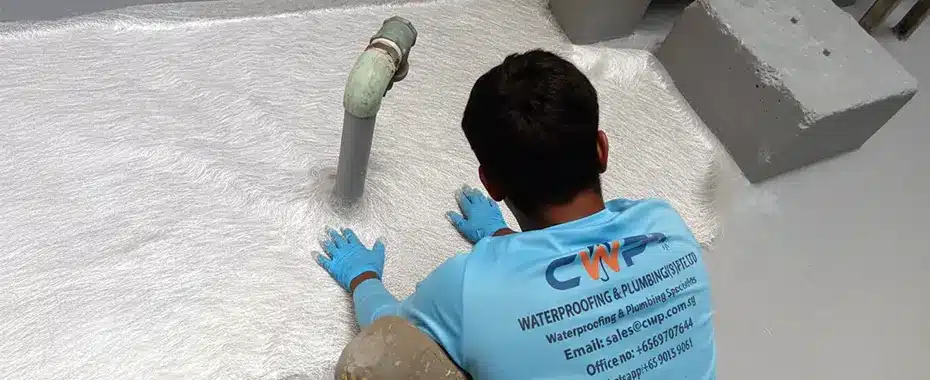
Waterproofing and water resistance are two core moisture protection methods in construction. Both fall under the broader field of building envelope management. Waterproofing creates a complete barrier that blocks all water entry. Water resistance slows moisture absorption but does not stop it fully. In Singapore’s tropical climate, heavy rainfall and high humidity make both systems essential. Builders, contractors, and property owners must understand the difference before choosing the right solution for their project.
Waterproof vs Water Resistant in Building: Definition
Waterproofing and water resistant are two different levels of protection against water in buildings. Waterproofing means complete protection that blocks all water completely. Water resistant means partial protection that slows down water but does not stop it entirely. Waterproofing keeps areas dry even under constant water pressure. Moisture-resistant materials handle light moisture but fail when exposed to heavy water for long periods. Understanding this difference helps you choose the right protection for each part of your building.
What Is Waterproofing in Building?
Waterproofing is the process of making a structure fully impermeable to water. Builders apply waterproofing systems to roofs, basements, wet areas, and foundations. These systems prevent water ingress even under sustained hydrostatic pressure from groundwater or rainwater. Waterproofing stops structural damage, rising damp, mould growth, and long-term building deterioration. It is a permanent, high-performance solution for areas exposed to constant or heavy water exposure throughout their service life.
Waterproofing sits at the top of the moisture protection spectrum, above water resistance and damp proofing. Specialists apply systems such as bituminous membranes, polyurethane coatings, and crystalline waterproofing compounds to seal structures completely. These solutions form a durable, continuous barrier against water penetration. In Singapore, flat roofs and below-ground structures are the highest-priority waterproofing zones. Heavy and prolonged tropical rain makes these areas extremely vulnerable to water ingress and structural damage over time.
What Is Water Resistant in Building?
Water resistant is a building protection approach that reduces water absorption in materials and surfaces. It slows moisture entry but does not block water completely under sustained or heavy exposure. Water-resistant materials repel surface water and light moisture effectively during intermittent rain. However, prolonged or heavy tropical rainfall can still allow some moisture to pass through the surface. Builders use water-resistant coatings, sealants, and treated materials to protect walls, facades, and roofs from surface dampness.
Water resistance sits between no protection and full waterproofing on the moisture control spectrum. Materials such as treated timber, silicone coatings, and water-resistant concrete reduce surface water absorption effectively. These solutions suit areas with moderate or light moisture exposure rather than constant water pressure. They are cost-effective choices for surfaces that do not face sustained hydrostatic loading. In Singapore, water-resistant systems often work alongside full waterproofing to deliver layered, comprehensive moisture control across the whole building.
Waterproof vs Water Resistant in Building: Types
Waterproofing types and water-resistant types together cover a wide range of building moisture protection solutions. Both categories include membrane systems, coatings, injectable systems, and integral treatment methods. Each type suits specific building locations, substrate conditions, moisture exposure levels, and project budgets. Builders select the right type based on water pressure, surface material, design life, and the building’s location. Understanding all available types helps you choose the best moisture protection system for your Singapore building project.
What Are the Different Types of Waterproofing?
Waterproofing types include bituminous, cementitious, polyurethane, epoxy, torch-applied, polyurethane injection, membrane, liquid membrane, and crystalline systems. Each type uses a specific material and method suited to particular building elements and conditions. Some systems work best on flat roofs and podium decks. Others suit basements, water tanks, or wet rooms. Choosing the right waterproofing type depends on the location, water pressure level, substrate condition, and the overall design brief of the project.
1. Bituminous Waterproofing
Bituminous waterproofing uses asphalt-based compounds to form a strong, flexible barrier against water ingress. It is one of the most widely used waterproofing systems for roofs and below-grade structures in Singapore.
| Pros | Cons |
|---|---|
| Excellent long-term waterproofing performance | Requires a UV protection layer on exposed roofs |
| Flexible and resistant to structural movement | Strong odour during torch-applied installation |
| Widely available and cost-effective for large areas | Needs skilled and certified applicators on site |
| Strong adhesion to concrete and masonry substrates | Can become brittle in cooler temperatures over time |
| Suitable for green roof build-ups; resists root penetration | Fire risk associated with torch-applied installation method |
2. Cementitious Waterproofing
Cementitious waterproofing uses cement-based slurries mixed with waterproofing agents to seal concrete and masonry. It is one of the simplest waterproofing systems to apply on construction sites in Singapore.
| Pros | Cons |
|---|---|
| Easy to mix and apply with standard site equipment | Low flexibility; prone to cracking under movement |
| Bonds directly and strongly to concrete surfaces | Not suitable for active movement or expansion joints |
| Cost-effective option for wet areas and water tanks | Limited use on non-masonry or non-concrete substrates |
| Suitable as a base coat before wall or floor tiling | Requires a damp surface during the application process |
| Durable with correct mixing and application method | May need multiple coats to achieve full protection |
3. Polyurethane Waterproofing
Polyurethane waterproofing is a liquid-applied, flexible membrane system that cures into a seamless elastic coating. It bridges hairline cracks and accommodates structural movement in the substrate beneath it.
| Pros | Cons |
|---|---|
| Seamless application with no joints or overlaps | Higher cost compared to bituminous membrane systems |
| Excellent adhesion to concrete and prepared substrates | Requires a dry substrate before application can start |
| UV-resistant formulations available for exposed roofs | Sensitive to high humidity during the curing phase |
| Long service life on flat roofs and podium decks | Requires skilled applicators to achieve correct film thickness |
| Bridges hairline cracks that develop in the substrate | Strong chemical odour during application and curing |
4. Epoxy Waterproofing
Epoxy waterproofing uses two-part epoxy resin systems to coat and seal surfaces against water and chemicals. It creates a very hard, impermeable protective layer on floors, tanks, and below-grade structures.
| Pros | Cons |
|---|---|
| Very hard, durable, and highly impermeable coating | Brittle; prone to cracking under structural movement |
| Strong resistance to chemicals, oils, and spills | Degrades and chalks under direct UV sunlight exposure |
| Good for floors, tanks, car parks, and pits | Difficult and costly to remove once fully cured |
| Creates a seamless finish with no vulnerable joints | Requires thorough surface preparation and profiling |
| Long lifespan in protected and indoor environments | Higher material and labour cost than surface coatings |
5. Torch Applied Waterproofing
Torch-applied waterproofing bonds bituminous sheet membranes to surfaces using a gas flame torch. It creates a strong, fully bonded waterproofing layer well suited to flat roofs in Singapore.
| Pros | Cons |
|---|---|
| Strong and reliable adhesion to prepared substrates | Fire risk; strict safety precautions are required |
| Durable waterproofing layer with a long service life | Only certified and trained applicators should install it |
| Excellent choice for exposed flat roofs in Singapore | Not suitable for use in confined or poorly ventilated spaces |
| Resists root penetration in green roof assemblies | Smoke and fumes are generated throughout installation |
| Proven performance in tropical, high-rainfall climates | Heavier material than liquid-applied membrane alternatives |
5. Polyurethane Injection Waterproofing
Polyurethane injection waterproofing fills active cracks and voids with expanding PU foam or resin under pressure. It seals water leaks quickly in concrete structures without major excavation or disruption.
| Pros | Cons |
|---|---|
| Seals active water leaks rapidly and effectively | May require repeat treatment as cracks re-open over time |
| Minimal disruption to the existing building structure | Requires specialist injection pumps and trained applicators |
| Fast to apply in targeted crack and joint areas | Not suited to large open surface areas needing full coverage |
| Works effectively on wet and actively leaking surfaces | Results depend heavily on the skill of the applicator |
| Cost-effective repair solution for structural cracks | Some applications provide a temporary rather than permanent fix |
6. Membrane Waterproofing
Membrane waterproofing uses pre-formed sheet materials made from bitumen, PVC, TPO, or EPDM rubber. These sheet membranes create a strong, continuous waterproofing barrier over roofs, basements, and podium decks.
| Pros | Cons |
|---|---|
| Excellent and reliable water barrier performance | Seams and lap joints can be potential failure points |
| Wide range of membrane materials and specifications | Requires precise installation to avoid seam defects |
| Suits roofs, basements, and exposed podium decks | Higher installation cost than liquid-applied systems |
| Long service life with correct installation and detailing | Sub-membrane damage or leaks are difficult to locate |
| Can be reinforced with geotextile protection layers | Bulkier than liquid membrane alternatives in thin build-ups |
7. Liquid Waterproofing Membrane
Liquid waterproofing membrane is applied as a fluid that cures into a seamless, flexible protective film. It suits complex shapes and areas where sheet membranes are difficult to install correctly.
| Pros | Cons |
|---|---|
| Seamless application with no joints or overlapping seams | Film thickness may vary without careful, consistent application |
| Easy to apply on complex and curved building shapes | Needs UV protection layer on fully exposed roof surfaces |
| Flexible with good crack-bridging performance | Multiple coats required to build up the correct membrane thickness |
| Relatively fast curing time on prepared substrates | Sensitive to high temperature and humidity during curing |
| Cost-effective for smaller areas and detail work | Limited single-coat thickness achievable in one application |
8. Crystalline Waterproofing
Crystalline waterproofing uses reactive chemicals that grow crystals inside concrete to block water pathways permanently. It is a self-healing system that reactivates whenever moisture is present in the substrate.
| Pros | Cons |
|---|---|
| Self-healing properties when new cracks form in concrete | Only effective on concrete and cementitious substrates |
| Provides a permanent waterproofing solution for concrete | Higher upfront cost compared to surface-applied coatings |
| Can be applied from the inside or outside of a structure | Requires a longer curing and crystal activation period |
| Improves the overall density and strength of concrete | Needs sufficiently wet concrete conditions for crystal growth |
| Environmentally responsible waterproofing solution | Not suitable for heavily cracked or severely degraded concrete |
What are the Different Types of Water Resistant?
Water-resistant types cover a broad range of systems used to manage surface moisture and light water exposure in buildings. Each type targets a different moisture pathway, from surface water on facades to rising damp in ground-floor walls. Builders choose the right water-resistant system based on moisture source, exposure level, substrate type, and project cost. Selecting the correct system ensures effective and durable moisture management across the building in Singapore’s warm and humid climate.
1. Surface Water Resistance
Surface water resistance protects the outer face of walls and roofs from direct rain and weathering.
- Builders apply silicone or acrylic coatings to repel water from exposed brick, render, and concrete facades.
- These treatments reduce surface water absorption without sealing the substrate or trapping internal moisture.
- Surface coatings also protect against algae growth and surface staining on external walls in Singapore.
- They suit moderate rainfall exposure areas where full waterproofing is not required or cost-effective.
2. Penetrating Water Resistance
Penetrating water resistance impregnates building materials with water-repellent chemicals deep below the surface.
- Silane and siloxane-based penetrants soak into the substrate to create an invisible internal water-repellent barrier.
- They do not alter the colour or visible appearance of the treated surface after application.
- Penetrating treatments suit exposed concrete, natural stone, and brick facades in Singapore’s climate.
- They allow the surface to breathe and release internal moisture while keeping bulk surface water out.
3. Membrane-Based Water Resistance
Membrane-based water resistance uses thin sheet membranes or applied films to protect surfaces from surface moisture.
- Builders install lightweight bituminous or TPO membranes on roofs to resist surface water and light rain.
- These are less robust than full waterproofing membranes designed to resist sustained hydrostatic pressure.
- Membrane systems suit pitched roofs, wall assemblies, and building elements with moderate water exposure.
- Proper detailing at laps, edges, and penetrations maintains the performance of membrane water resistance systems.
4. Joint and Seal Water Resistance
Joint and seal water resistance focuses on protecting gaps and connections between different building components and materials.
- Builders apply polyurethane or silicone sealants to expansion joints, window frames, and service penetrations.
- Correct sealing prevents water from tracking through gaps in the building structure and facade.
- Flexible sealants accommodate thermal movement between adjacent building materials without cracking apart.
- Regular inspection and resealing maintain effective joint water resistance throughout the building’s service life.
5. Integral Water Resistance
Integral water resistance adds water-repellent admixtures directly into concrete or mortar during the initial mixing stage.
- Builders include hydrophobic or crystalline admixtures to reduce the porosity of structural concrete and mortar.
- This method provides water resistance through the full depth of the material, not only the surface.
- Integral resistance suits reinforced concrete walls, ground slabs, and structural elements exposed to moisture.
- It reduces the need for additional surface-applied coatings on structural concrete elements in the building.
6. Drainage-Based Water Resistance
Drainage-based water resistance uses drainage systems to redirect and remove water away from the building structure.
- Builders install drainage membranes, channels, and sump pumps to manage groundwater around foundations effectively.
- Drainage boards create a cavity between the basement wall and surrounding soil to guide water away.
- This approach relieves hydrostatic pressure on basement walls and reduces the risk of water ingress.
- It works best alongside waterproofing membranes to provide complete and reliable basement moisture management.
7. Damp Proofing
Damp proofing stops rising damp from moving upward through floors and walls by capillary action below ground level.
- Builders install a damp proof course (DPC) or damp proof membrane (DPM) in walls and ground slabs.
- Bituminous sheets, plastic membranes, or chemical injections all serve as the damp-proof barrier layer.
- Damp proofing addresses rising damp, while waterproofing addresses water under sustained pressure from outside.
- It suits ground-floor walls and slabs in areas with mild to moderate groundwater moisture exposure.
8. Vapour-Resistant Systems
Vapour-resistant systems control water vapour movement through walls, floors, and roof assemblies in the building.
- Builders fit vapour barriers or vapour retarders within wall and roof insulation build-ups to prevent condensation.
- These systems stop interstitial condensation forming inside the building fabric and causing hidden moisture damage.
- Polyethylene sheets and foil-faced insulation are common vapour-resistant materials used in Singapore buildings.
- Vapour control is critical in Singapore’s humid climate to prevent mould growth and premature timber decay.
9. Capillary Water Resistance
Capillary water resistance stops water from being drawn upward through porous building materials by capillary suction.
- Builders treat masonry, concrete, and mortar joints to reduce capillary water uptake within the substrate.
- Crystalline and silane-based treatments fill capillary pores inside the substrate to block upward moisture movement.
- This method complements damp proofing and surface coatings for thorough moisture management in the building.
- It suits foundations, basement walls, and ground-floor slabs exposed to groundwater and soil moisture.
Waterproof vs Water Resistant in Building: Materials Used in Buildings
Waterproofing and water resistant materials serve different purposes in protecting buildings from water damage. Waterproofing materials include bitumen, rubber membranes, polyurethane, epoxy and cementitious compounds. Leak-resistant materials include treated wood, water repellent paints, silicone sealers and hydrophobic coatings.
What Materials Are Used for Waterproofing?
Bituminous membranes, liquid waterproofing membranes, cementitious coatings, epoxy resin, polyurethane coatings, crystalline systems, EPDM rubber, TPO membranes, silicone waterproofing, and geotextile membranes are all used in waterproofing applications across Singapore. Each waterproof material offers specific performance characteristics suited to particular building zones, substrate types, and water exposure conditions. Selecting the correct waterproofing material is essential for achieving a durable, reliable, and long-lasting moisture protection system in your building project.
1. Bituminous Membranes
Bituminous membranes are asphalt-based sheet systems and are among the most widely used waterproofing materials in Singapore.
- Available as torch-applied, self-adhesive, or cold-applied sheets to suit different surface conditions and projects.
- They provide a strong, flexible, and durable waterproofing barrier against sustained water and moisture exposure.
- Builders use them on flat roofs, podium decks, and below-ground concrete structures across Singapore.
- They resist root penetration, making them ideal for green roof waterproofing assemblies and landscaped decks.
2. Liquid Waterproofing Membranes
Liquid waterproofing membranes are fluid-applied coatings that cure into a seamless, flexible, and continuous protective film.
- Builders apply them using rollers, brushes, or airless spray equipment for even and consistent coverage.
- They suit complex building shapes and areas where installing sheet membranes would be difficult.
- Popular types include polyurethane, acrylic, and bituminous liquid membranes for different waterproofing applications.
- They deliver strong crack-bridging capability and excellent adhesion to concrete and masonry substrates.
3. Cementitious Waterproofing Coating
Cementitious waterproofing coatings are cement-based slurries mixed with waterproofing polymers or reactive additives.
- Builders apply them to concrete, brick, and masonry in wet rooms and water-retaining structures.
- They bond directly to the substrate and are straightforward to apply with a brush or trowel.
- These coatings suit bathrooms, swimming pools, and below-ground concrete structures in Singapore projects.
- They work effectively as a base coat beneath wall and floor tiles in wet-area applications.
4. Epoxy Resin-based Waterproofing
Epoxy resin-based waterproofing uses two-part epoxy systems to coat and seal surfaces against water and chemicals.
- Builders apply epoxy to concrete floors, water tanks, and structures requiring strong chemical resistance performance.
- Epoxy coatings create a very hard, impermeable surface that resists abrasion, water, and chemical spills.
- They suit water treatment facilities, swimming pools, and commercial kitchen floors across Singapore.
- Thorough surface preparation, including grinding and profiling, is essential for strong and durable epoxy bonding.
5. Polyurethane Coatings
Polyurethane coatings are flexible, liquid-applied waterproofing membranes used on exposed roofs, balconies, and podium decks.
- Builders apply polyurethane in multiple coats to build up the required total membrane film thickness.
- Polyurethane offers excellent elongation properties, bridging hairline cracks in the concrete substrate below.
- UV-resistant formulations protect the cured membrane on exposed horizontal and outdoor building surfaces.
- Polyurethane suits flat roofs, balconies, and roof gardens in Singapore’s tropical and high-rainfall climate.
6. Crystalline Waterproofing Systems
Crystalline waterproofing systems use reactive chemicals that grow crystals inside concrete to permanently block water pathways.
- Builders apply crystalline coatings or slurries to concrete to seal capillary pores and hairline cracks.
- The crystals reactivate when water is present, giving the system its self-healing waterproofing performance over time.
- These systems suit basements, tunnels, and water-retaining structures exposed to groundwater in Singapore.
- Crystalline waterproofing permanently enhances the concrete’s natural resistance to water penetration and ingress.
7. EPDM (Ethylene Propylene Diene Monomer) Rubber
EPDM rubber is a synthetic rubber sheet membrane used widely for waterproofing flat and low-slope roofs.
- Builders install EPDM in large, wide sheets that minimise the number of seams on the roof.
- It is highly flexible, UV-resistant, and long-lasting in hot and humid tropical building environments.
- EPDM suits residential flat roofs, commercial buildings, and green roof assemblies across Singapore projects.
- It is available in adhesive-bonded or mechanically fastened installation systems to suit different roof types.
8. TPO (Thermoplastic Olefin) Membranes
TPO membranes are heat-welded roofing sheets that form a fully waterproof layer on flat commercial roofs.
- Builders use hot-air welding to create strong, fully bonded, watertight seams between individual TPO sheets.
- TPO is lightweight, UV-resistant, and reflects sunlight to help reduce solar heat gain in buildings.
- It suits commercial flat roofs, podium decks, and green roof build-ups across Singapore’s skyline.
- TPO membranes offer good puncture resistance and maintain flexibility across a wide temperature range.
9. Silicone Waterproofing
Silicone waterproofing uses silicone-based coatings to protect facades and roof surfaces from water ingress.
- Builders apply silicone to brick, stone, concrete, and render to prevent moisture absorption during rain.
- Silicone allows surfaces to breathe and release internal moisture while repelling external surface water.
- It does not change the appearance of the treated surface after the coating has fully dried.
- Silicone waterproofing suits exterior walls and roof tiles across Singapore’s consistently wet tropical climate.
10. Geotextile Membranes
Geotextile membranes are permeable fabric layers used alongside waterproofing systems to protect and filter in below-ground applications.
- Builders place geotextile over waterproofing membranes to protect them from root and aggregate damage.
- They filter water through drainage layers in green roof assemblies and retaining wall build-ups.
- Geotextile separates soil and drainage aggregate to prevent clogging of drainage channels over time.
- They suit basement drainage systems, green roofs, and landscaped podium decks in Singapore buildings.
What Materials Are Used for Water Resistance?
Waterproofing membranes, cementitious materials, epoxy coatings, water-resistant concrete, treated timber, sealants and caulking, glass and acrylic panels, synthetic roofing materials, and drainage systems are all used in water-resistant applications across Singapore. These materials reduce surface moisture absorption, manage light water exposure, and protect the building from dampness and surface deterioration. Choosing the right combination ensures effective and long-lasting moisture control across the full building envelope in Singapore’s climate.
1. Waterproofing Membranes
Thinner and lighter membrane systems work well in water-resistant applications on roofs and wall assemblies.
- Builders use lightweight sheet or liquid membrane systems where full waterproofing specification is not required.
- Both sheet and fluid-applied membranes protect surfaces from surface water and intermittent light rainfall effectively.
- They suit building elements with moderate moisture exposure rather than areas facing sustained water pressure.
- Correctly lapped and sealed edges maintain effective surface water protection across the full membrane area.
2. Cementitious Waterproofing Materials
Polymer-modified cementitious slurries and coatings are widely used in water-resistant applications on concrete and masonry.
- Builders mix polymer-modified compounds to improve the flexibility and adhesion of the cementitious coating.
- These materials reduce water absorption and surface dampness on treated masonry and concrete substrates.
- They suit water-resistant applications in bathrooms, external render walls, and below-grade concrete structures.
- Cementitious water-resistant coatings are affordable and straightforward to apply with standard site equipment.
3. Epoxy Coatings
Epoxy coatings create a hard, water-resistant protective surface on concrete floors and below-grade structural elements.
- Builders apply epoxy to car parks, industrial floors, and commercial kitchens across Singapore regularly.
- Epoxy seals the concrete surface and resists water, oil, and chemical exposure on the floor.
- Available in clear or pigmented formulations to suit different functional and aesthetic design requirements.
- Epoxy coatings extend the service life of concrete surfaces regularly exposed to water and moisture.
4. Water-Resistant Concrete
Water-resistant concrete incorporates waterproofing admixtures during mixing to reduce porosity and moisture absorption.
- Builders add hydrophobic or crystalline admixtures to lower the water-cement ratio and pore structure.
- This concrete suits below-grade slabs, retaining walls, and ground-floor elements exposed to moisture.
- It reduces capillary water uptake and improves the long-term durability of exposed concrete structures.
- Water-resistant concrete works well in combination with surface coatings for complete and layered moisture protection.
5. Water-Resistant Timber
Water-resistant timber uses pressure treatment, natural oils, or protective sealants to protect wood against moisture damage.
- Builders use pressure-treated softwood or naturally durable hardwood species in exposed outdoor structures.
- Timber decking, cladding, and pergolas all benefit from water-resistant treatment in Singapore’s wet climate.
- Regular re-oiling or re-sealing is necessary to maintain the timber’s water resistance over its service life.
- Water-resistant timber reduces swelling, warping, splitting, and biological decay caused by sustained moisture absorption.
6. Sealants and Caulking Compounds
Sealants and caulking compounds fill gaps and joints between building materials to prevent water entry into the structure.
- Builders apply silicone, polyurethane, or acrylic sealants around windows, doors, and service penetrations.
- Caulking seals construction joints in facades and roof surfaces to stop water from tracking through gaps.
- Flexible sealants handle thermal movement between building materials without cracking, splitting, or debonding.
- Regular inspection and resealing prevent water entry through aged or degraded joint sealant in facades.
7. Glass and Acrylic Panels
Glass and acrylic panels deliver water-resistant cladding and glazing solutions for modern commercial buildings in Singapore.
- Builders use toughened safety glass with weather-sealed aluminium frames to protect external facades from water.
- Acrylic and polycarbonate sheets suit skylights, canopies, and covered walkways across Singapore’s built environment.
- Proper silicone sealing around panel edges prevents water entry at fixing points and panel joints.
- These panels provide a clean, contemporary appearance while delivering reliable surface water resistance in use.
8. Synthetic Roofing Materials
Synthetic roofing materials include polymer roof tiles, fibreglass panels, and TPO sheets used for water resistance on roofs.
- Builders use synthetic roof tiles on pitched roofs to shed rainwater quickly and reliably in Singapore.
- These materials resist UV degradation, biological growth, and surface cracking in tropical building environments.
- Fibreglass and GRP panels suit canopies, rooflight covers, and curved roof forms on Singapore buildings.
- Synthetic roofing materials are lightweight, low-maintenance, and durable alternatives to traditional clay or concrete tiles.
8. Drainage Systems
Drainage systems collect and redirect water away from the building to prevent moisture accumulation and structural damage.
- Builders install box gutters, downpipes, and French drains to remove surface water from the building efficiently.
- Drainage boards on basement walls relieve hydrostatic pressure and guide groundwater to sump chambers below.
- Roof drainage systems must handle Singapore’s intense tropical rainfall without overflowing, pooling, or blocking.
- Effective drainage design complements waterproofing and water-resistant systems for complete building moisture management.
Waterproof vs Water Resistant in Building: Pros and Cons
Pros and cons of waterproofing and water resistance help builders and property owners choose the right system for their project. Both solutions offer real moisture protection benefits, but each has clear limitations depending on the application and exposure level. Waterproofing delivers stronger and more complete performance in high-exposure areas but requires a higher budget and skilled installation. Water resistance suits lighter moisture conditions at a lower cost and with simpler application methods. Knowing both sides helps Singapore property owners make informed and cost-effective decisions on every building project.
What Are the Advantages and Disadvantages of Waterproofing in Building?
Advantages and disadvantages of waterproofing help builders and property owners decide when a full waterproofing system is necessary and cost-justified. Waterproofing provides complete water exclusion and long-term structural protection for roofs, basements, and wet areas. However, it requires specialist installation and a higher initial investment compared to water-resistant alternatives. Understanding both sides helps property owners in Singapore invest wisely and avoid costly future remedial works.
| Advantages | Disadvantages |
|---|---|
| Provides complete water exclusion from the building structure | Higher material and installation cost than water-resistant systems |
| Protects structural integrity and extends building service life | Requires skilled, experienced, and often certified specialist applicators |
| Prevents mould growth, rising damp, and structural decay | Longer installation programme and extended material curing periods |
| Suitable for areas facing high hydrostatic water pressure | Critical surface preparation needed for correct system performance |
| Increases property value and extends the building’s lifespan | Difficult and costly to locate and repair when the membrane fails |
| Wide range of system types to suit most building scenarios | Some systems require periodic professional inspection and maintenance |
| Reliable protection in Singapore’s heavy tropical rainfall climate | May trap moisture if incorrectly specified, detailed, or installed |
What are the Advantages and Disadvantages of Water Resistant in Building?
Advantages and disadvantages of water-resistant systems show that water resistance suits lighter moisture management needs in buildings. Water-resistant solutions are more affordable, faster to apply, and less disruptive than full waterproofing systems. However, they do not provide complete protection in areas facing sustained water pressure or prolonged heavy rainfall. Understanding this helps builders select the right solution for each specific building location and exposure level.
| Advantages | Disadvantages |
|---|---|
| Lower upfront cost compared to full waterproofing systems | Not suitable for areas with high or sustained water pressure |
| Easier and faster to apply on most surface types | Allows some moisture to penetrate under heavy or prolonged rain |
| Wide range of products available for different substrates | Requires more frequent reapplication and maintenance over time |
| Suits areas with light or intermittent moisture exposure | Not effective protection against sustained or heavy tropical rainfall |
| Can be applied to existing buildings with minimal disruption | May not fully prevent structural dampness and mould in the long term |
| Less disruptive and faster installation process on site | Not appropriate as the sole system for below-grade applications |
| Some products offer accessible, DIY-friendly application methods | Performance depends heavily on correct product selection for the substrate |
Waterproof vs Water Resistant in Building: How to Use
Waterproof and water-resistant solutions both require careful planning, correct surface preparation, and proper application technique to perform well over time. Builders must follow the correct steps from start to finish to achieve long-lasting and reliable moisture protection in Singapore buildings. Applying PU injection waterproofing, liquid membranes, or surface coatings without proper technique leads to premature failure, water ingress, and expensive remedial works that disrupt the building and its occupants.
How Do You Use Waterproofing in a Building?
To use waterproofing in a building, start by identifying all areas needing complete water protection. Bathrooms, kitchens, basements, roofs and balconies require waterproofing systems. Clean all surfaces completely by removing dirt, grease and loose materials. Repair cracks, holes and damaged areas with suitable fillers. Make sure surfaces are completely dry before applying any waterproofing products. Apply primer coats if the waterproofing system requires them. This helps waterproofing bond strongly to surfaces.
Step 1: Site Evaluation and Inspection
Assess the site to identify all areas at risk of water ingress, dampness, or hydrostatic pressure. Check for existing cracks, failed joints, and signs of active water leaks in the concrete substrate. Test the substrate moisture content before selecting and specifying the appropriate waterproofing system. Record all findings clearly and plan the full waterproofing scope and sequence for the project.
Step 2: Proper Surface Preparation
Clean the surface thoroughly to remove dust, oil, grease, and all loose materials from the substrate. Grind or scarify concrete to create the correct surface profile for the membrane to bond to. Fill voids, honeycombs, and cracks with approved repair mortar before the waterproofing application begins. Confirm the surface meets the moisture tolerance requirements of the chosen waterproofing material specification.
Step 3: Choosing the Right Waterproofing Material
Select the waterproofing system based on the water exposure level, water pressure, and substrate type. Choose polyurethane membranes for flat roofs and bituminous systems for below-grade waterproofing applications. Use PU injection waterproofing for active water leaks in concrete cracks and structural construction joints. Match the material specification to the building’s design life, budget, and planned maintenance programme.
Step 4: Application of Waterproofing Primer
Apply a compatible primer to the substrate to improve adhesion between the surface and the waterproofing membrane. Allow the primer to fully dry and cure before applying the waterproofing coating or membrane on top. Use epoxy primer on concrete substrates to strengthen bonding with liquid-applied polyurethane waterproofing membranes. Follow the manufacturer’s recommended coverage rate and correct application method for the selected primer product.
Step 5: Applying the Waterproofing Membrane or Coating
Apply the waterproofing membrane at the manufacturer’s recommended wet film or dry film thickness specification. Use rollers, brushes, trowels, or spray equipment depending on the specific material and system type. Apply in multiple coats, allowing each coat to cure before applying the following coat on top. Ensure consistent and uniform coverage across the full surface, including all internal corners and coved details.
Step 6: Sealing Joints and Edges
Apply reinforcement tape or mesh at all joints, internal corners, coves, and pipe penetrations in the waterproofing. Seal all service pipe penetrations and entries with a waterproofing-grade collar or compatible sealant compound. Install a full bead of flexible sealant at all movement joints and transitions between different substrate materials. Ensure all wall upstands reach the required minimum height above the finished floor level throughout the installation.
Step 7: Allow the Material to Cure or Dry Accordingly
Follow the manufacturer’s recommended curing time before exposing the membrane to water or foot traffic. Protect the cured membrane from rain, intense sunlight, and UV radiation during the full curing period. Do not apply tiles, screed, or protection boards until the membrane has fully cured and hardened throughout. Record the curing start time and completion date as part of the project’s quality assurance documentation file.
Step 8: Conduct a Final Inspection
Carry out a flood test or electronic spark test to verify the integrity of the installed waterproofing membrane. Inspect all edges, upstands, and penetration details carefully for correct installation and membrane continuity. Rectify all defects found during inspection before covering the waterproofing with screed, tiles, or protection boards. Issue a waterproofing inspection certificate or system warranty upon successful completion of all final tests.
How Do You Use Water Resistant in a Building?
To use water-resistant systems in a building, builders must first assess the moisture exposure level of each building zone carefully. This assessment directly determines the most suitable water-resistant material and application method for each area. Correct material selection, thorough surface preparation, and proper application technique all contribute to long-lasting performance. Following the right steps ensures coatings, sealants, and treated materials perform reliably across the building’s full service life in Singapore.
Step 1: Site Evaluation and Planning
Assess the building to identify all areas that need water-resistant protection from moisture and surface water. Review drawings and specifications to plan the correct water-resistant system for each building zone. Check drainage details and surface gradients to ensure water flows away from the building structure. Plan the sequence of installation to coordinate water-resistant works with other trades working on site.
Step 2: Choosing the Appropriate Water-Resistant Materials
Select silicone, acrylic, or polyurethane coatings based on the substrate type and moisture exposure level. Use penetrating silane or siloxane treatments on exposed brick, stone, and concrete facades in Singapore. Choose flexible sealants for all movement joints and expansion gaps in the building’s external envelope. Match the product’s performance rating to the expected moisture exposure of each specific building location.
Step 3: Waterproofing the Foundation
Apply a water-resistant coating or membrane to external foundation walls before backfilling with soil. Install a drainage board against the foundation wall to manage groundwater and reduce hydrostatic pressure. Use water-resistant concrete admixtures in the foundation mix to provide integral moisture protection throughout. Seal all service penetrations through the foundation walls with an approved waterproofing-grade sealant compound.
Step 4: Waterproof the Roof
Apply water-resistant roofing membranes, tiles, or coatings to all roof surfaces and structural roof elements. Ensure adequate roof pitch and drainage to remove heavy tropical rainwater quickly without ponding. Seal all roof penetrations, parapet walls, and upstands with compatible flashing and sealant systems. Use UV-resistant materials for all exposed roof surfaces under Singapore’s intense tropical sunlight throughout the year.
Step 5: Install Vapour Barriers and Damp Proofing
Install a damp proof membrane (DPM) beneath all ground-floor concrete slabs to block rising moisture. Fit vapour barriers within wall and roof assemblies to prevent condensation forming inside the building fabric. Use a damp proof course (DPC) in masonry walls at the base of all external and partition walls. Seal all laps and edges of vapour barriers with compatible waterproof joining tape for a continuous barrier.
Step 6: Apply Water-Resistant Coatings
Apply silicone or acrylic water-resistant coatings to external walls and facades using a brush or roller. Follow the manufacturer’s recommended coverage rate to achieve effective and consistent coating performance. Apply two or more coats to surfaces with higher or prolonged moisture exposure levels in Singapore. Allow each coat to fully dry before applying the subsequent coat to the prepared and cleaned surface.
Step 7: Seal Joints and Cracks
Fill all cracks in walls, floors, and soffits with a compatible water-resistant filler or repair compound. Apply flexible polyurethane or silicone sealant to all movement joints, construction joints, and expansion gaps. Tool the sealant bead to achieve full two-sided adhesion on both faces of the joint being sealed. Inspect and reseal all joints on a regular cycle to maintain water resistance throughout the building’s service life.
Step 8: Monitor and Maintain the Water-Resistant Systems
Inspect all water-resistant coatings, sealants, and membranes regularly for wear, cracking, or coating failure. Clean all roof drains, gutters, and downpipes regularly to prevent water overflowing near the building facade. Reapply water-resistant coatings when the existing surface shows reduced water-repellent performance during rain. Keep maintenance records to track the condition and performance of all water-resistant systems in the building.
Waterproof vs Water Resistant in Building: Using Times
Waterproof and water-resistant systems serve different purposes and work best in different building scenarios and moisture conditions. Builders apply full waterproofing when structures face constant water pressure, heavy tropical rainfall, or below-ground groundwater exposure. They choose water-resistant systems for areas with lighter or intermittent surface moisture contact on the building. Knowing the right time to use each system protects Singapore buildings from serious water damage and avoids unnecessary cost on over-specified or under-specified moisture protection systems.
When to Use Waterproofing in Building?
You should use waterproofing when a building element faces constant or heavy water exposure that water-resistant coatings alone cannot manage. Basements, flat roofs, wet areas, swimming pools, and water-retaining structures all require full waterproofing protection to prevent water ingress. In Singapore, heavy tropical rainfall and high groundwater levels make waterproofing essential for all below-grade construction and flat roof applications. Waterproofing stops structural damage, rising damp, and mould growth that lead to serious and expensive long-term building defects.
You should also apply waterproofing to water tanks, underground car parks, and planter boxes in Singapore. These building elements face sustained hydrostatic pressure from water that water-resistant coatings simply cannot withstand over time. Builders use bituminous membranes, polyurethane coatings, crystalline systems, and PU injection waterproofing to seal these high-risk structures effectively. Choosing the correct waterproofing system protects the building’s structural integrity and significantly reduces long-term remedial maintenance costs.
When to Use Water-Resistant Materials in Building?
You should use water-resistant systems when a surface faces only light or occasional moisture exposure in normal use. External walls, rendered facades, and pitched roofs benefit from water-resistant coatings and penetrating silicone or silane treatments. In Singapore’s humid climate, water-resistant systems protect building surfaces from surface water run-off, condensation, and intermittent light rain effectively. They suit areas where full waterproofing is not required or justified but where some moisture control still matters.
You should also choose water-resistant materials for timber cladding, external decking, and non-structural elements exposed to the weather. These materials slow moisture absorption without requiring a full waterproofing membrane system to be installed. Water-resistant concrete, treated timber, and silicone facade coatings are practical, cost-effective choices for managing surface dampness. In Singapore, builders often combine water-resistant systems with full waterproofing in a layered approach to provide complete and reliable moisture protection across the whole building.
Waterproof vs Water Resistant in Building: Pricing
Waterproof and water-resistant pricing depends on the system type, the area to be treated, material quality, and installation complexity involved. In Singapore, waterproofing costs are generally higher than water-resistant treatments due to specialist materials, longer installation times, and the need for experienced applicators. Understanding typical price ranges for each system helps property owners and contractors plan their project budgets accurately. It also helps avoid unexpected cost overruns during construction, renovation, or remedial repair works on Singapore buildings. A study from the “Emerald Insight”, entitled “Waterproofing integrity and water tightness of buildings in the tropic, showed that poor site access, complex details, or wet tropical exposure (roofs, balconies, toilets) increase detailing and inspection needs, raising cost.
How Much Does Waterproofing Cost in Singapore?
Waterproofing cost in Singapore varies depending on the area size and waterproofing method chosen. Small bathroom waterproofing typically costs SGD $500 to $2,000 for complete treatment. Kitchen waterproofing ranges from SGD $800 to $1,500 for wet areas. Balcony waterproofing costs SGD $1,000 to $3,500 depending on size and condition. Basement waterproofing is more expensive at SGD $3,000 to $10,000 for full protection. Roof waterproofing charges SGD $8 to $30 per square metre. Swimming pool waterproofing costs SGD $5,000 to $15,000 for complete sealing.
Waterproofing cost also varies significantly based on site conditions and the extent of surface preparation and remediation required. Specialist systems such as PU injection waterproofing and crystalline waterproofing carry a higher cost per square metre than standard coatings. Additional costs arise from protection boards, drainage layers, or remedial works needed to repair or prepare damaged surfaces. Always request multiple detailed quotations from qualified and experienced waterproofing contractors before committing to a system and specification.
How Much Does Water Resistance Cost in Singapore?
Water resistant cost in Singapore is much cheaper than waterproofing for building protection. Water resistant paint costs SGD $30 to $80 per tin covering about 30 to 40 square metres. Water repellent spray costs SGD $20 to $50 per bottle for small applications. Silicone sealers cost SGD $5 to $15 per tube for joints and gaps. Hydrophobic coatings range from SGD $100 to $300 for treating exterior walls. Labour for applying water resistant products costs SGD $100 to $300 per day. Most homeowners can apply water resistant products themselves, saving labour costs completely.
Water-resistant cost also varies with the number of coats applied and the performance specification of the chosen product. Silicone coatings and acrylic surface treatments are among the most accessible and affordable options available in Singapore. Builders recommend combining water-resistant coatings with a well-designed drainage strategy to achieve the best long-term value and overall building performance.
Waterproof vs Water Resistant in Building: Lasts
Waterproof and water-resistant system longevity depends on the material type, application quality, and the level of ongoing maintenance carried out over time. In Singapore’s tropical climate, high UV exposure, heavy rainfall, and consistently high humidity can reduce the effective service life of some systems faster than in temperate climates. Choosing the right system and maintaining it correctly extends its performance life and protects your building investment. Regular inspection helps identify early signs of coating failure or membrane damage before they become costly and disruptive repair problems.
How Long Does Waterproofing Last in Singapore?
- Bituminous membrane waterproofing lasts between 16.9 to 21.3 years with regular inspection and timely maintenance.
- Polyurethane waterproofing membranes typically last 15 to 20 years before reapplication or re-coating is needed.
- Crystalline waterproofing typically last 30+ years years. It provides a permanent solution for concrete structures when correctly applied and detailed.
- Cementitious waterproofing coatings last approximately 10 to 15 years depending on moisture exposure and maintenance.
- Torch-applied bituminous systems last approximately 20+ years in Singapore’s climate.
- Epoxy waterproofing coatings last 10 to 15 years in low-traffic, protected, and sheltered interior environments.
- PU injection waterproofing lasts 10 to 15 years. PU injection is a long-term repair solution but may require retreatment if cracking recurs.
How Long Do Water-Resistant Coatings Last in Singapore?
- Silicone water-resistant facade coatings typically last between 5 and 10 years on external building surfaces.
- Acrylic water-resistant coatings generally need reapplication every 3 to 5 years on external facades.
- Penetrating silane and siloxane treatments last 5 to 10 years on concrete, natural stone, and brick.
- Flexible sealants used in building joints typically need replacement every 5 to 7 years in Singapore.
- Water-resistant concrete admixtures provide integral moisture protection for the full lifespan of the concrete structure.
- Correctly installed damp proof courses and membranes can last the entire service life of the building.
- Treated timber water resistance typically lasts 2 to 5 years before re-oiling or re-sealing is required.
Waterproof vs Water Resistant in Building: Key Differences
Protection Level Comparison
The most fundamental difference between waterproofing and water resistance is the protection level each system delivers. Waterproofing blocks all water entry, even under sustained hydrostatic pressure from groundwater and rainwater. Water resistance only reduces moisture absorption from surface-level and intermittent rain exposure. The table below sets out the key differences across the most important comparison areas for builders and property owners in Singapore.
| Feature | Waterproofing | Water Resistant |
|---|---|---|
| Water exclusion level | Complete; blocks all water entry under pressure | Partial; slows but may not stop water ingress |
| Water pressure resistance | High; suits hydrostatic and below-grade pressure | Low; suited to surface water exposure only |
| Suitable locations | Basements, flat roofs, wet areas, water tanks | Facades, pitched roofs, cladding, light-exposure areas |
| Typical material types | Bituminous, PU, epoxy, crystalline, EPDM, TPO | Silicone, acrylic, silane, sealants, treated timber |
| Application complexity | Specialist installation is required | Some DIY-friendly options are available |
| Cost range in Singapore | SGD 3 to SGD 15 per sq ft | SGD 1 to SGD 6 per sq ft |
| Typical service life | 10 to 20+ years depending on system type | 3 to 10 years depending on product and exposure |
| Maintenance frequency | Lower; periodic professional inspection advised | Higher; reapplication needed every few years |
| Best climate application | Heavy tropical rain, below-grade moisture exposure | Light rain, humid conditions, surface moisture only |
| Consequence of failure | Structural damage, flooding, and mould growth | Surface dampness, staining, and cosmetic deterioration |
When to Choose Each System
| Building Scenario | Use Waterproofing | Use Water Resistant |
|---|---|---|
| Basement or underground structure | Yes | No |
| Flat roof in Singapore | Yes | Partial surface protection only |
| External wall or facade | No | Yes |
| Swimming pool or water tank | Yes | No |
| Pitched roof | No | Yes |
| Bathroom or internal wet area | Yes | No |
| Timber cladding or external decking | No | Yes |
| Below-ground retaining wall | Yes | No |
FAQ’s
Water resistance protects buildings from surface moisture, dampness, and premature material deterioration. It reduces long-term maintenance costs and extends the building’s service life. In Singapore’s wet tropical climate, water-resistant systems actively protect walls, roofs, and facades from surface water throughout the year.
Yes, water-resistant materials reduce moisture absorption and limit the damp conditions that mould needs to grow. This actively slows mould development on treated building surfaces. However, full waterproofing remains more effective at preventing mould in high-moisture areas such as basements, bathrooms, and wet rooms.
No, a water-resistant product does not perform at the same level as a waterproofing system in high-exposure conditions. Waterproofing blocks all water entry under sustained pressure, while water-resistant products only slow surface moisture absorption. For basements, flat roofs, and wet areas, full waterproofing significantly outperforms water-resistant solutions.
No, both systems perform differently depending on the environment, moisture source, and exposure level. Waterproofing performs reliably under sustained water pressure in below-grade and high-exposure building zones. Water-resistant materials suit lighter moisture conditions such as external walls and pitched roof cladding in Singapore’s climate.