
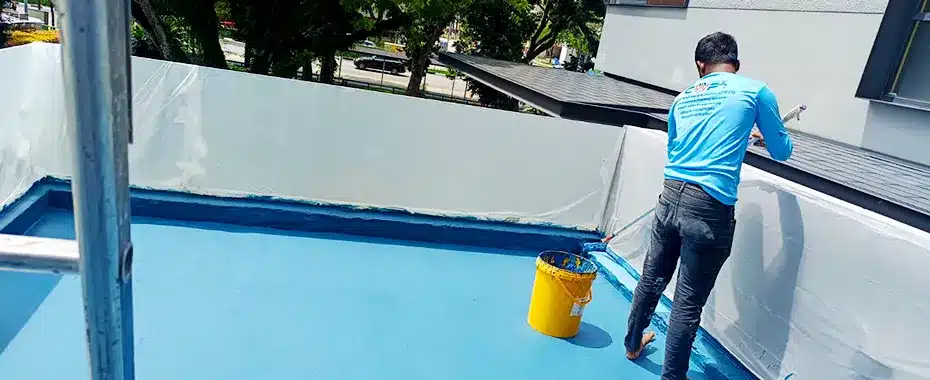
Water Repellent and Waterproof are terms used in building construction to describe how much water protection a material provides. Water Repellent materials resist water but are not completely impervious, so they are ideal for areas with light moisture. Waterproof materials provide a full barrier against water and are suitable for high-risk areas like basements and roofs. Knowing the differences between Water Repellent and Waterproof helps you choose the best solution for your building.
Water Repellent vs Waterproof in Building: Definitions
Water repellent vs waterproof describes two different ways materials handle water in buildings. Water repellent means materials push water away from the surface but do not stop it completely. Waterproof means materials block all water and create a complete barrier. Water repellent makes water bead up and roll off surfaces.
What Does Water Repellent Mean?
Water repellent means a surface treatment that makes water bounce off and roll away. Water repellent coatings do not absorb water immediately when it touches them. Instead, water forms into droplets that slide off the surface easily. Liquid-repellent materials have a special coating that changes how water behaves. The water sits on top rather than soaking in straight away. However, hydrophobic is not a complete barrier against water. If water stays on the surface long enough, it will eventually soak through.
A study from Science Direct entitled “A new preventive coating for building stones mixing a water repellent and an eco-friendly biocide” showed that an eco-friendly water repellent coating for stone, combining silane/siloxane with chitosan and silver nitrate. The formulation provided strong hydrophobicity, effective biocide action against algae, and minimal color change, preserving durability and appearance of stone monuments.
Water repellent works by creating a thin protective layer on the surface. This layer reduces how much water the material absorbs initially. Water repellent is good for fabrics, outdoor furniture and exterior walls. It protects against light rain and splashes effectively. Water repellent treatments make surfaces dry faster after getting wet. They help prevent staining and dirt buildup on materials. However, water repellent does not stop water under pressure or constant exposure. It provides basic protection that needs regular reapplication to keep working properly.
What is Waterproof?
Waterproof is a complete barrier that stops all water from passing through. Waterproof materials do not let any water penetrate them at all. They create a sealed layer that water cannot cross no matter how long it stays there. Waterproof protection works even under high water pressure and constant exposure. Unlike water repellent, waterproof blocks water permanently and completely. Waterproof materials keep areas totally dry in all conditions. They are essential where water must never get through.
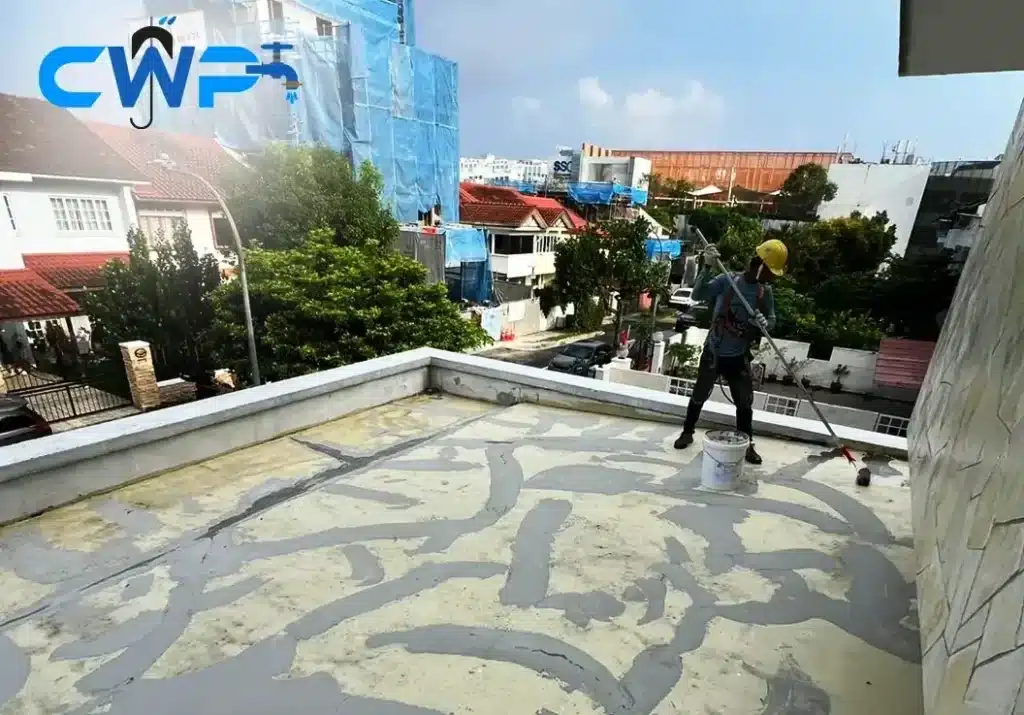
A study from Academic journal Industrial Machine Building, Civil Engineering entitled “Retrospective analysis of wall waterproofing structures to determine the main directions of the relevant restoration work” showed that Waterproofing foundations and plinths depends on soil moisture, groundwater, and construction quality. Historical analysis shows modern waterproofing evolved post-1956 with mass-produced materials. Today, tailored solutions are essential for effective moisture protection, especially in restoration and reconstruction projects.
Water Repellent vs Waterproof in Building: Types
Water repellent vs waterproof types include different materials and systems for protecting buildings from moisture. Water repellent types include silicone, acrylic, silane, wax and fluoropolymer treatments. Waterproof types include membranes, coatings, crystalline systems and injection methods. Non-absorbent products make surfaces shed water temporarily. They are great for resisting moisture but can’t handle prolonged exposure to water.
Many people ask, What is waterproofing? and how does it differ from water repellent solutions? Waterproofing is the process of making a surface completely resistant to water penetration, even under continuous exposure.
What are the Different Types of Water Repellent?
Water repellent types include silicone-based, acrylic, silane, siloxane, wax-based and fluoropolymer treatments for buildings. Silicone-based water repellents penetrate deep into materials and create invisible barriers. Acrylic water repellents form protective films on surfaces that shed water. Silane and siloxane repellents are chemical treatments that change how materials react with water. Wax-based repellents create a protective coating on wood and stone. Fluoropolymer repellents provide advanced protection using modern chemistry. Each type works differently but all make water bead up and roll away.
Different water repellent types suit different building materials and conditions. Silicone works well on concrete, brick and stone surfaces. Acrylic suits painted surfaces and decorative finishes. Silane penetrates deeply into porous materials like concrete blocks. Wax-based treatments protect natural wood and outdoor furniture effectively. Fluoropolymer repellents resist oil and dirt as well as water. Cement-based additives mix into concrete during construction for built-in protection. Choosing the right rainproof type depends on your surface material, weather exposure and budget. All water repellent types provide temporary protection that needs regular reapplication
What are the Different Types of Waterproofing?
Waterproofing includes many different systems and materials that create complete barriers against water. The main waterproofing types are cementitious waterproofing, liquid membranes, sheet membranes, bituminous coatings, polyurethane systems, crystalline waterproofing, PU injection and epoxy coatings. Each type uses different materials and application methods. Cementitious waterproofing uses cement-based compounds for bathrooms and basements. Liquid membranes are flexible coatings applied with brushes or sprays. Sheet membranes come in rolls and stick to surfaces. Bituminous waterproofing uses tar-like materials for foundations. Polyurethane creates elastic coatings that stretch. Crystalline waterproofing grows crystals inside concrete. PU injection fills cracks with expanding foam. Epoxy provides chemical-resistant protection.
Different waterproofing types suit different building areas and water exposure levels. Bathrooms typically use cementitious or liquid membrane waterproofing. Roofs work well with sheet membranes or polyurethane coatings. Basements need bituminous or crystalline waterproofing for groundwater pressure. Swimming pools require cementitious or crystalline systems. Balconies use liquid membranes that handle movement. Active leaks need PU injection for immediate repairs. Industrial floors benefit from epoxy waterproofing. Professional contractors recommend the best waterproofing type based on your specific needs, budget and conditions. All waterproofing types block water completely when installed properly.
Water Repellent vs Waterproof in Building: Material Comparison
Water repellent vs waterproof materials differ greatly in how they protect buildings from water damage. Water repellent materials include silicone, wax, acrylic and fluoropolymer compounds that make surfaces shed water. Waterproof materials include bitumen, rubber, polyurethane, epoxy and cementitious compounds that block all water completely.
What Materials Used in Water Repellent?
Silicone, wax, acrylic polymers, fluoropolymers and silane compounds materials used in water repellent treatments for buildings. Silicone-based materials penetrate deep into concrete, brick and stone to create invisible barriers. Wax materials including paraffin and beeswax coat surfaces with protective layers. Acrylic polymers form flexible films that shed water from painted surfaces. Fluoropolymer compounds provide advanced protection using fluorine chemistry. Silane and siloxane are tiny molecules that bond chemically inside porous materials. All these water repellent materials make surfaces resist water absorption temporarily.
Stearates and fatty acids are natural water repellent materials mixed into cement and concrete. Hydrophobic resins create water-repelling coatings for various building surfaces. Mineral oil-based compounds protect wood and natural stone from moisture. Polymer-modified treatments combine different materials for improved water repellency. These water repellent materials are generally lightweight and easy to apply. They cost less than waterproof materials but provide temporary protection only. Water repellent materials need reapplication every few years as they wear away. They work well for reducing water absorption without creating complete barriers.
What Materials Used in Waterproofing?
Bitumen, rubber, polyurethane, epoxy and cementitious compounds materials used in waterproofing systems for complete protection. Bitumen is a thick tar-like material perfect for foundations and underground structures. Rubber membranes made from EPDM or synthetic rubber stretch and seal surfaces tightly. Polyurethane creates flexible elastic coatings that move with building structures. Epoxy resins form hard chemical-resistant barriers for industrial applications. Cementitious compounds use special cement mixtures that block water whilst being breathable. All these waterproof materials stop water completely when applied correctly.
PVC and HDPE plastic sheets provide strong waterproof barriers for roofs and basements. Acrylic polymer membranes create flexible waterproof coatings for various surfaces. Crystalline chemicals grow inside concrete to make it permanently waterproof. Bentonite clay expands when wet to seal underground structures completely. Modified bitumen combines traditional tar with modern polymers for better performance. Silicone membranes resist extreme temperatures and UV damage effectively. These waterproof materials are thicker and more robust than water repellent materials. They create permanent barriers that last 10 to 25 years with proper installation and maintenance.
Water Repellent vs Waterproof in Building: Where to Use
Water repellent vs waterproof are used in different building areas depending on water exposure levels. Water repellent works best on exterior walls, wooden decks and surfaces facing occasional rain. Waterproof is essential for bathrooms, basements, roofs and swimming pools with constant water contact.
Where to Use Water Repellent?
Exterior walls, wooden decks, garden structures and porous stone surfaces use water repellent for protection. Apply water repellent to brick walls facing rain and wind exposure. Treat rendered facades to reduce water absorption and staining. Use on boundary walls and garden fences exposed to weather. Apply to wooden decking, pergolas and outdoor furniture. Treat paving stones, driveways and pathways to prevent water damage. Use water repellent on chimney stacks and exposed masonry areas. Apply to terracotta tiles and clay surfaces facing light rain.
Natural stone facades and heritage buildings use water repellent for breathable protection. Treat sandstone, limestone and granite surfaces that need to breathe. Apply to concrete walls and surfaces with occasional moisture exposure. Use on painted exterior walls needing extra weather protection. Treat stucco and decorative finishes exposed to elements. Apply water repellent to wooden window frames and door surrounds. Use on outdoor sculptures and decorative stonework. Apply to retaining walls facing soil moisture from behind. Water repellent works perfectly where water contact is brief and pressure is low.
Where to Use Waterproofing?
Bathrooms, basements, roofs, balconies and swimming pools use waterproofing for complete water protection. Apply waterproofing to all bathroom floors and walls up to splash height. Waterproof shower areas completely from floor to ceiling. Use in wet room floors and walls for total water barrier. Apply waterproofing to basement walls and floors against groundwater pressure. Waterproof all flat roofs and roof terraces exposed to rain. Use on balconies and external walkways above living spaces. Apply waterproofing to swimming pool walls and floors holding water constantly.
Kitchen wet areas, water tanks and underground car parks use waterproofing systems. Waterproof kitchen floors around sinks and dishwasher areas. Apply to water storage tanks for drinking water protection. Use waterproofing on underground structure walls facing soil moisture. Waterproof lift pits and service areas below ground level. Apply to foundations during construction for permanent protection. Use waterproofing on retaining walls holding back earth and water. Waterproof tunnel walls and underground passages completely. Apply to planters and green roofs holding soil and water. Waterproofing is essential wherever water pressure is constant or failure would cause serious damage.
Water Repellent vs Waterproof in Building: Performance Comparison
Water repellent vs waterproof performance differs significantly in how long they protect buildings from water. Water repellent provides temporary protection lasting 2 to 5 years before needing reapplication. Waterproof provides permanent protection lasting 10 to 25 years with proper installation.
How Much Does Water Repellent Last?
Two to five years water repellent last on building surfaces before needing reapplication for continued protection. The exact duration depends on weather exposure and product quality used. Water repellent on walls facing heavy rain wears away faster than protected areas. Premium fluoropolymer water repellents last 5 to 7 years in good conditions. Basic silicone water repellents last only 2 to 3 years before failing. Coastal areas with salt spray reduce water repellent lifespan significantly. Harsh sun and UV exposure break down water repellent chemicals quickly.
How Much Does Waterproofing Last?
Ten to twenty-five years waterproofing last on building surfaces with proper installation and maintenance. Quality waterproofing systems provide decades of reliable protection without replacement. Cementitious waterproofing lasts 10 to 15 years in bathrooms and wet areas. Liquid membrane waterproofing lasts 15 to 20 years on roofs and balconies. Sheet membrane waterproofing lasts 20 to 25 years with correct installation. Polyurethane waterproofing lasts 15 to 20 years even in harsh conditions. Crystalline waterproofing lasts the lifetime of concrete structures permanently. Concrete roof waterproofing using quality membranes lasts 20 years or more.
Water Repellent vs Waterproof in Building: Cost Comparison
Water repellent vs waterproof cost comparison shows water repellent is much cheaper initially but costs more long-term. Over 20 years, water repellent total costs exceed waterproofing due to repeated applications. Water repellent labour is cheap as application is simple. Waterproofing requires skilled labour costing more initially. Calculate lifetime costs not just initial price when choosing between them.
What is the Water Repellent Cost?
SGD $50 to $300 water repellent cost for typical residential applications in Singapore. Small exterior wall treatments cost SGD $50 to $150 for materials and labour. Treating a wooden deck costs SGD $100 to $200 depending on size. Water repellent spray bottles cost SGD $20 to $50 for DIY application. Professional application adds SGD $100 to $300 for labour charges. Premium fluoropolymer water repellents cost SGD $150 to $400 for materials. Basic silicone water repellents cost SGD $30 to $80 per container. Most homeowners can apply water repellent themselves saving labour costs.
What is the Waterproofing Cost?
SGD $500 to $10,000 waterproofing cost for residential projects in Singapore, depending on area and system. Bathroom waterproofing costs SGD $500 to $2,000 for complete protection. Balcony waterproofing ranges from SGD $1,000 to $3,500 based on size. Basement waterproofing costs SGD $3,000 to $10,000 for full treatment. Roof waterproofing charges SGD $8 to $30 per square metre. Swimming pool waterproofing costs SGD $5,000 to $15,000 for complete sealing. Labour charges add SGD $200 to $500 per day for skilled contractors. Studies on tropical high‑rise projects show that good initial waterproofing (1 to 3% of project cost) is far cheaper than failures and remedial works (5 to 10%, sometimes >300× the membrane price).
How Do You Choose Between Water Repellent and Waterproof for Building?
Assess the water exposure level, choose between water repellent and waterproof based on how much water the area faces regularly.
- Consult a professional contractor: Get expert advice from qualified waterproofing contractors before deciding finally. Professionals assess your specific situation and recommend appropriate protection types.
- Check breathability requirements: Determine if surfaces must breathe to prevent moisture buildup inside. Heritage buildings need breathable water repellent not sealed waterproofing. Solid walls without cavities benefit from breathable water repellent treatments. Modern buildings with proper ventilation can use waterproof barriers safely.
- Assess water exposure level: Check how much water the area faces daily or weekly. Areas with constant water like bathrooms need waterproofing always. Surfaces facing only occasional rain can use water repellent. Heavy rain areas need waterproof whilst light dampness suits water repellent. Measure rainfall and moisture levels in your location. High humidity areas benefit more from waterproof than water repellent protection.
- Consider water pressure: Determine if water pushes against surfaces with pressure constantly. Underground basements face groundwater pressure needing waterproofing systems. Swimming pools hold water under pressure requiring waterproof barriers. Exterior walls face only light rain pressure suitable for water repellent.
- Evaluate consequences of failure: Think about damage caused if protection fails completely. Bathroom leaks damage rooms below costing thousands to repair. Basement flooding ruins belongings and creates mould problems requiring waterproofing. Garden wall dampness causes minor issues suitable for water repellent.
- Review maintenance capabilities: Consider if you can maintain and reapply treatments regularly yourself. Water repellent needs reapplication every 2 to 5 years requiring time. Waterproofing needs only occasional inspections and small repairs rarely.
- Examine surface type and condition: Check what material needs protection and its current condition. Porous materials like brick and stone suit water repellent treatments. Concrete floors and structures need waterproof for complete protection always. Damaged surfaces need repairs before either treatment works properly. Material compatibility determines which protection type adheres and works best.
- Calculate long-term costs: Add up total costs over 20 years including all reapplications. Water repellent costing SGD $200 every 3 years totals SGD $1,200 over 18 years. Waterproofing costing SGD $1,500 once lasts 20 years with no reapplication.
FAQ’s
No, water repellent is not suitable for roofs in most cases. Roofs need complete waterproof protection, not just water repellent treatments. Water repellent cannot handle the constant rain and pooling water that roofs face. It fails quickly under roof conditions and causes leaks. Roofs require proper waterproofing membranes or coatings for reliable protection. Only use waterproof systems on roofs to prevent expensive water damage inside buildings.
No, water-repellent paint cannot stop leaks in buildings at all. Water-repellent paint only reduces water absorption temporarily on surfaces. It is not designed to seal leaks or create waterproof barriers. Existing leaks need proper waterproofing systems to fix them correctly. Water-repellent paint provides basic protection against dampness only. Use proper waterproofing membranes and sealants to stop leaks permanently. Water-repellent paint is unsuitable for any area with active water leaks.
Waterproofing can crack over time if the building moves or settles. Rigid waterproofing types crack when structures shift or expand. Flexible waterproofing systems resist cracking better than hard coatings. Poor installation causes waterproofing to crack prematurely and fail. Quality waterproofing with proper application lasts many years without cracking. Regular inspections help you spot and repair small cracks early. Choose flexible waterproofing for areas that move to prevent cracking problems.
You can combine water repellent and waterproofing in some building applications. Apply waterproofing first as the main protection barrier underneath. Then add water repellent on top for extra surface protection. This combination works well on exterior walls and facades. However, check products are compatible before combining them together. Some water repellents do not stick to waterproof surfaces properly. Consult professionals before combining different protection systems for best results.