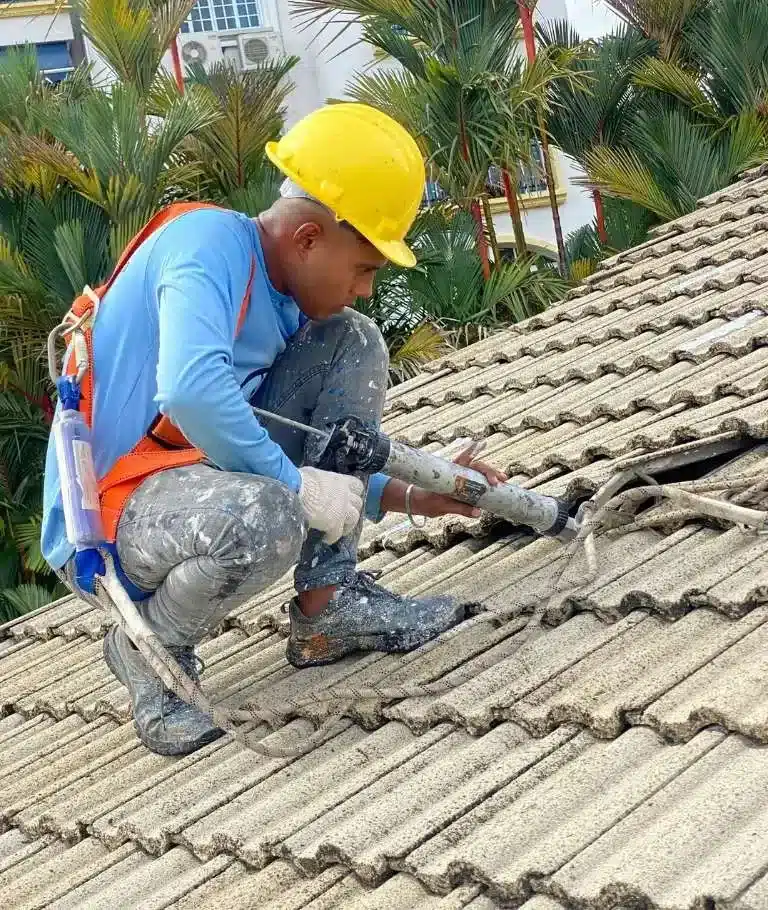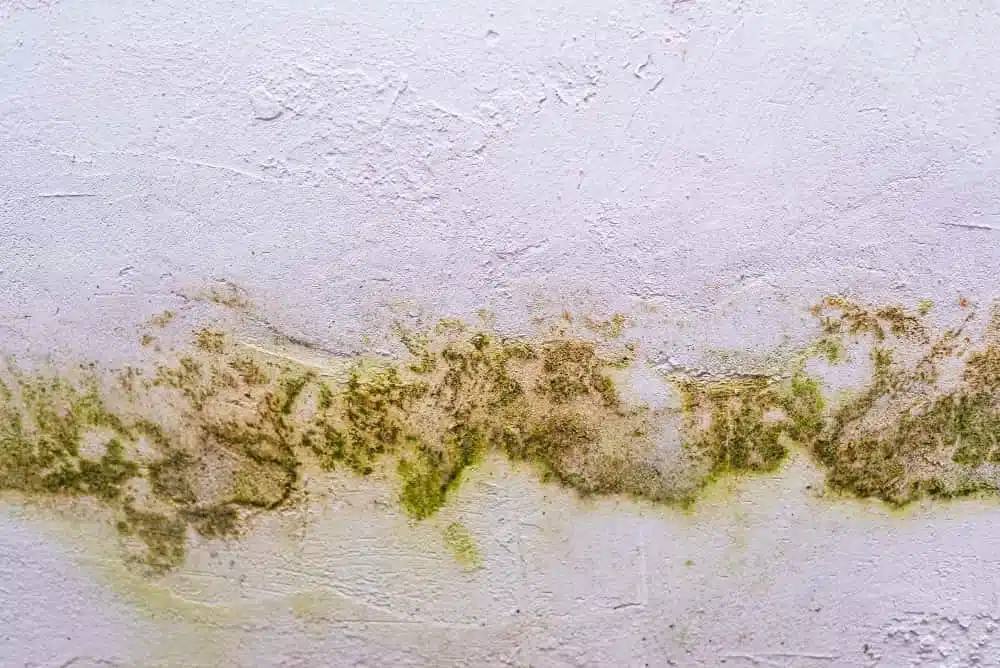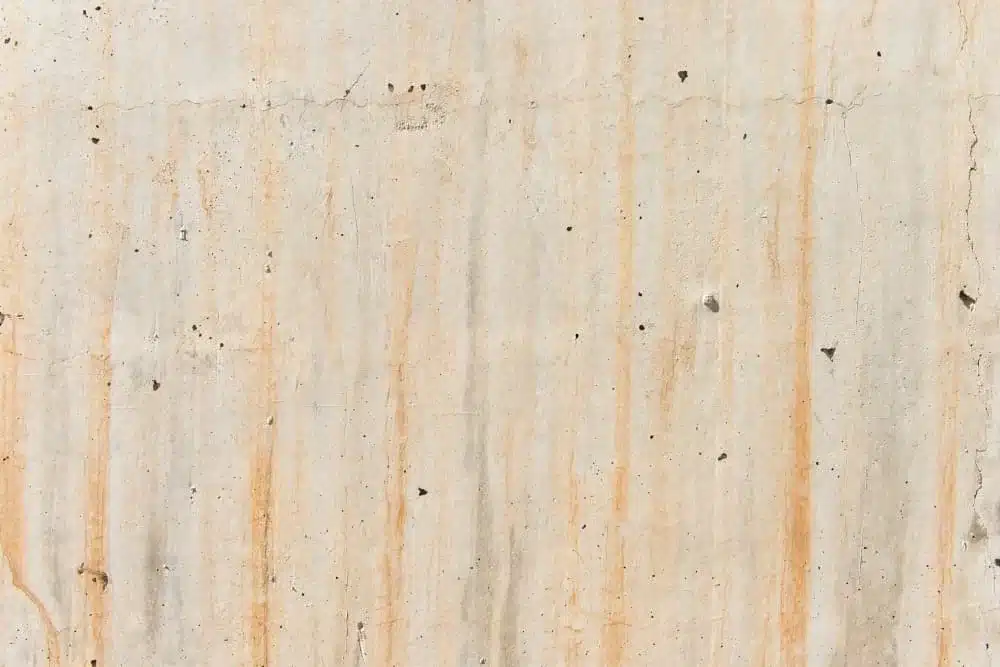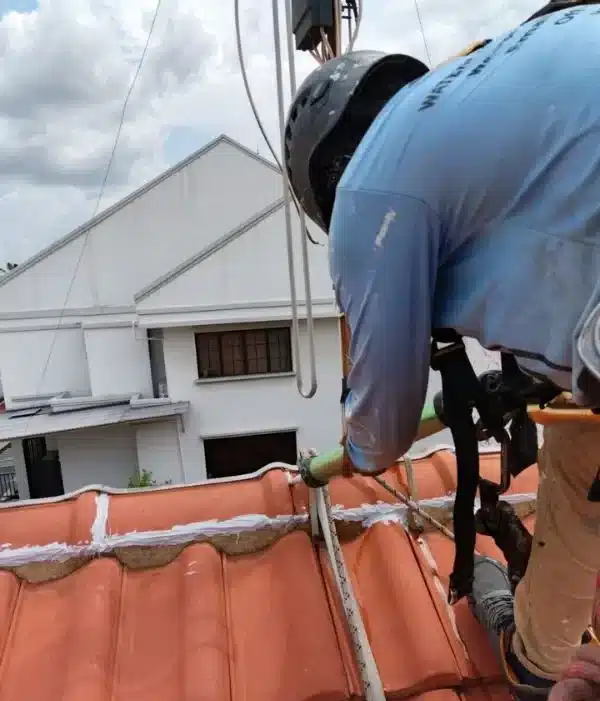

We provide professional concrete repair and structural restoration services across Singapore. Our skilled team tackles cracks, spalling, pitting, and surface deterioration with precision. Whether it is a warehouse slab or a residential driveway, we restore it fully. Our repair techniques include patching, pressure grouting, crack injection, and surface resurfacing. From concrete floor remediation to roof slab repair, CWP covers every structure type. We rebuild structural integrity and protect your building from further degradation and decay. Call us today for a no-obligation site inspection and tailored concrete repair proposal.
Whether it’s for residential, commercial, or industrial properties, our concrete repair solutions ensure long-lasting results, preventing further damage and extending the life of your building. Trust CWP to provide effective concrete repair services that maintain the structural integrity of your property. Contact us for expert assistance today.
Concrete forms the structural backbone of every building, pavement, floor, and wall. Over time, deterioration, degradation, and decay attack these critical load-bearing elements. What starts as a hairline crack can progress into a full structural fracture. Ignoring concrete damage leads to safety hazards and expensive demolition and rebuild costs. Timely concrete remediation stops minor surface defects from becoming structural failures. It also prevents water ingress from triggering rebar corrosion, spalling, and efflorescence. Regular building maintenance is always cheaper than emergency structural rehabilitation work. Act early to preserve the slab, the column, the beam, and the structure above.
Concrete structures suffer many forms of damage, defect, and degradation over time. Problems span from hairline cracks right through to severe structural fractures and collapse risk. Water ingress, carbonation (the slow weakening of concrete by CO2), and rebar corrosion drive decline. Each defect type, whether a surface crack or deep spalling, demands a specific repair method. Our team surveys the structure, diagnoses the root cause, and then recommends the right fix.
Concrete cracks fall into two broad categories: surface cracks and structural fractures. Surface cracks (hairline to 0.3mm wide) affect aesthetics and allow minor moisture ingress. Structural cracks are deeper, wider, and signal compromised load-bearing capacity in the slab. Thermal expansion, foundation settlement, and overloading are the primary causes of cracking. Untreated cracks allow water penetration, which accelerates rebar corrosion inside the structure. We seal, stitch, or inject cracks using epoxy resin, polyurethane foam, or cementitious grout.

Concrete patch repair, also called localised concrete restoration, targets specific damaged zones. It is more economical than full-depth replacement (removing and recasting the entire slab or surface). Patch repair suits areas of spalling, pitting, delamination, and impact damage on any surface. We use polymer-modified repair mortars, epoxy compounds, or cementitious overlays depending on location. The patch material must bond strongly to the existing substrate to perform reliably over time. For structural patches on beams, columns, and slabs, we reinforce with bonding agents and mesh.
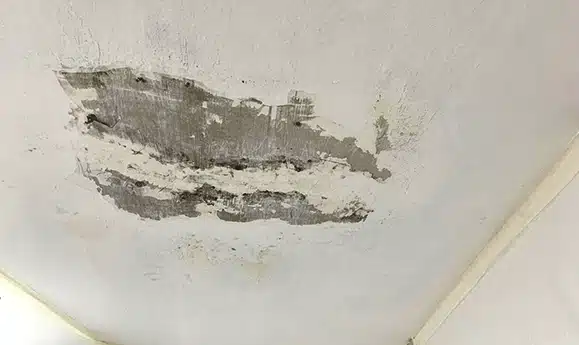
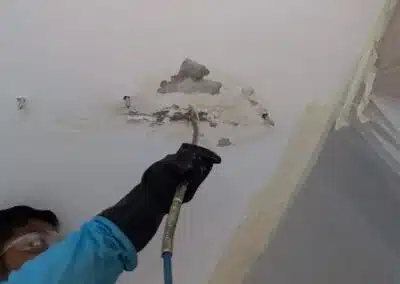
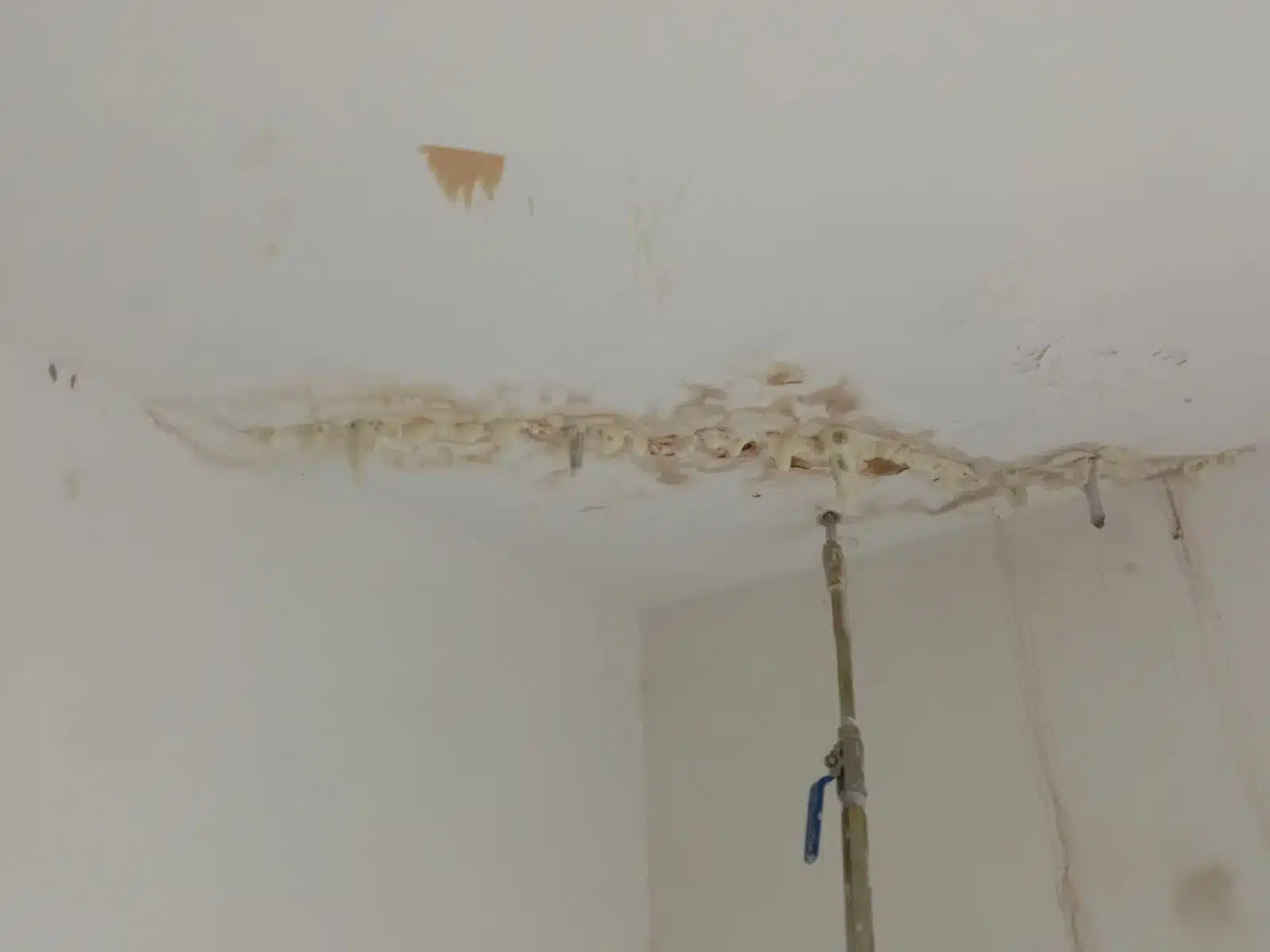
Ceiling spalling is one of the most hazardous concrete defects in any occupied building. Unlike floor spalling, ceiling spalling causes fragments to fall downward onto occupants below. It commonly affects carpark ceilings, HDB block corridors, and older reinforced concrete buildings. We saw-cut the spalled zone, expose and treat the corroded rebar, and rebuild the section. A repair mortar or sprayed concrete layer (also called shotcrete) reinstates the original profile. We then apply an anti-carbonation coating to protect the repaired ceiling from further degradation.
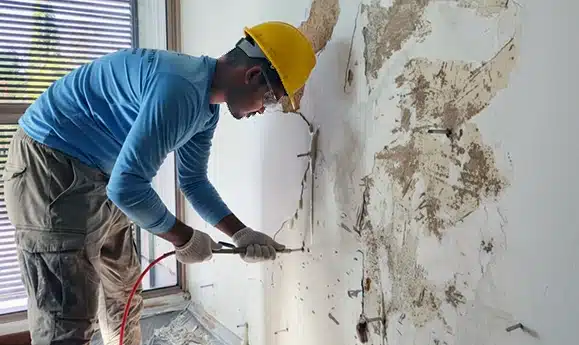
Pressure grouting is a specialised technique used to fill hidden sub-surface voids. Unlike patch repair, which addresses surface defects, pressure grouting targets deeper cavities. Grout (whether cementitious, polyurethane, or epoxy-based) is injected under controlled pressure. It flows into honeycombs (voids from poor compaction), soil cavities, and open crack networks. The hardened grout restores load-bearing capacity and prevents further slab settlement or sinking. Pressure grouting suits sunken slabs, leaking basement walls, and unstable foundation substrates.
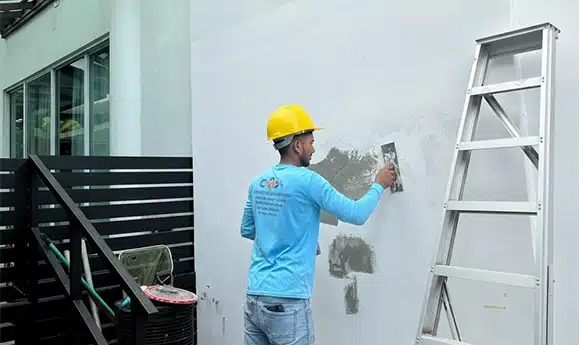
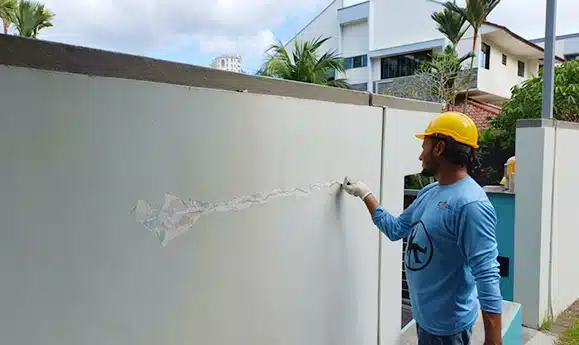
Wall cracks range from cosmetic hairline fractures to deep structural cracks needing urgent repair. Note that "crack" here means a concrete crack, not a decorative surface finish separation. Moisture ingress through wall cracks triggers rebar corrosion, efflorescence, and internal spalling. We assess each crack for width, depth, pattern, and movement before selecting a repair method. Active cracks (still moving) need flexible polyurethane sealants, not rigid epoxy injection. Dormant cracks (stable and non-moving) are suitable for epoxy resin injection and rigid sealing.
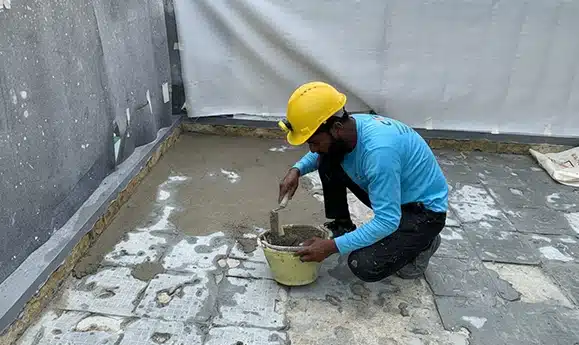
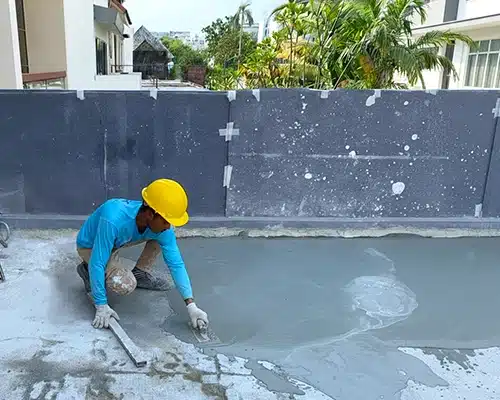
Concrete floor patch repair is the process of restoring damaged, cracked, or pitted slabs. The slab, as the primary load-bearing horizontal element, must remain flat, strong, and intact. We remove all deteriorated, delaminated, or loose concrete back to a sound substrate. Then we prime the substrate and apply a polymer-modified patching mortar or epoxy compound. Fast-setting repair compounds allow the floor to return to service within hours of application. Floor patch repair suits warehouse slabs, car park decks, retail floors, and industrial bays.
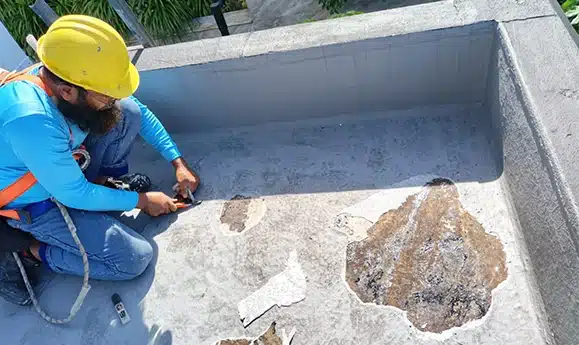
A leaking concrete roof slab is part of a larger waterproofing failure in the building envelope. Water that penetrates the slab, the primary horizontal barrier, reaches everything below it. This triggers rebar corrosion, ceiling spalling, mould growth, and internal surface deterioration. We locate the ingress point using water tracing, flood testing, and thermal imaging methods. We then seal the source using crystalline waterproofing, injection grouting, or surface membranes. Roof slab repair and waterproofing together protect the entire structural system below permanently.
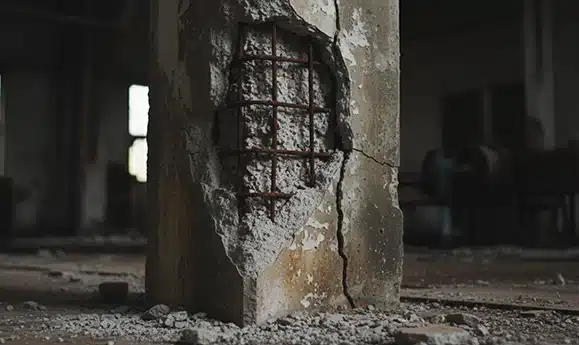
Columns are vertical load-bearing structural elements that transfer loads downward through the building. Column damage, such as spalling, cracking, or rebar exposure, threatens the entire structure above. A compromised column is far more critical than a cracked wall or a pitted floor surface. We assess columns using hammer sounding, rebar scanning, and structural condition surveys on site. Repair methods include patch repair, concrete jacketing, and carbon fibre wrapping techniques. Concrete jacketing adds a reinforced layer around the column to restore its full compressive strength.
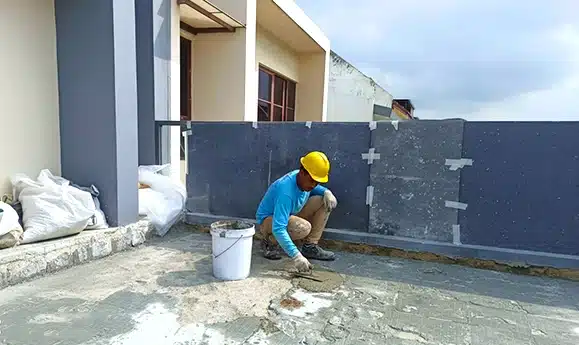
Concrete pavements are horizontal surfaces exposed to both foot traffic and vehicular loading. Like floor slabs, they form part of the broader infrastructure yet face harsher outdoor exposure. Heavy vehicles, tree root uplift, thermal movement, and water erosion all cause pavement deterioration. Defects include surface cracking, joint failure, slab rocking, and full-depth structural fractures. We address these through crack sealing, slab stitching, pressure grouting, and full-depth patching. Pavement repair restores a safe, level, slip-resistant surface for pedestrians and vehicles alike.
Concrete deterioration does not happen overnight; it builds through linked, compounding processes. Deterioration, degradation, and decay are gradual, each driven by different root causes. Weather, poor construction practices, ageing, and water ingress are the four primary causes. Each cause triggers a chain reaction: water enters, rebar corrodes, concrete spalls, the slab weakens. CWP identifies the exact cause before recommending any concrete repair or remediation method. Treating the symptom without fixing the cause produces short-lived, ineffective repairs every time.
Weather Factors
Singapore's tropical climate is among the most aggressive environments for concrete structures. High humidity, heavy monsoon rainfall, and intense heat create continuous stress on the material. Thermal expansion during the day and contraction at night generate micro-cracks in the surface. Carbonation (where CO2 from the air gradually reduces concrete's alkalinity) progresses faster here. Chloride ions from Singapore's coastal environment accelerate rebar corrosion within the structure. Weather damage is cumulative and requires scheduled building maintenance to manage it effectively.
Incorrect Construction Practices
Poor construction practice is a direct, preventable cause of premature concrete deterioration. Excessive water added to the concrete mix increases workability but reduces compressive strength. A high water-to-cement ratio creates a porous substrate that moisture penetrates with ease. Under-vibrated concrete develops honeycombs (air voids from insufficient compaction during casting). Insufficient concrete cover over rebar leaves the reinforcement vulnerable to early carbonation and corrosion. Poor curing, such as letting the surface dry too fast, causes shrinkage cracking throughout.
Ageing and Wear
All concrete structures age; ageing is an unavoidable, gradual process that weakens the material. In concrete terms, ageing refers to both physical wear and chemical change over time. Physically, repeated loading, foot traffic, and vehicle movement cause surface abrasion and micro-cracking. Chemically, the cement paste undergoes carbonation, reducing the protective pH layer around the rebar. As rebar corrodes, it expands, cracking the surrounding concrete cover from the inside outward. Planned maintenance, periodic concrete repair, and protective coatings slow this ageing process significantly.
Water Ingress and Leakage
Water ingress (also called moisture penetration or water infiltration) is the most destructive concrete driver. Water enters through surface cracks, open construction joints, failed membranes, and porous concrete. Once inside the structure, it initiates rebar corrosion, efflorescence, mould growth, and spalling. Over time, leakage reduces structural stiffness, load-bearing capacity, and the building's overall lifespan. We stop water ingress using crack injection, waterproof coatings, crystalline treatments, and drainage systems. Controlling leakage is an essential part of any whole-building concrete repair and maintenance strategy.
CWP provides concrete repair solutions across all property sectors in Singapore. We serve clients across the industrial, commercial, residential, and strata sectors. Concrete repair, like building maintenance in general, is not one-size-fits-all in practice. Each sector demands different materials, repair methods, access constraints, and quality standards. We tailor every concrete remediation plan to the specific structure, defect type, and client need. From a single patched wall to a full estate-wide structural rehabilitation, CWP delivers it all.
Industrial concrete repair covers factories, warehouses, production plants, and logistics facilities. These structures endure heavy machinery, forklift traffic, chemical spills, and high-impact loading. This combination of mechanical wear and chemical attack accelerates surface abrasion and joint deterioration. We use heavy-duty repair mortars, epoxy screed systems, and chemical-resistant floor coatings. These materials restore the slab’s load-bearing capacity and protect it from further chemical attack. We prioritise speed of repair to minimise disruption to production schedules and ongoing operations.
Commercial concrete repair covers office towers, retail malls, hotels, schools, and healthcare facilities. Unlike industrial repair, commercial repair balances structural performance with a high-quality visual finish. Clients expect repaired floors, walls, and ceilings to blend seamlessly with the surrounding surface. We use colour-matched repair compounds, smooth-finish mortars, and invisible joint fillers throughout. All work is scheduled to minimise disruption to tenants, customers, and daily business operations. CWP meets both the structural brief and the aesthetic specification on every commercial project.
Residential concrete repair covers landed properties, terraced houses, bungalows, and semi-detached homes. Homeowners face defects such as driveway cracking, garden wall spalling, roof slab leakage, and seepage. Unlike commercial and industrial settings, residential repair requires minimal noise, dust, and disruption. We provide a personalised site assessment, a clear repair proposal, and a competitive fixed quotation. Repair materials include polymer-modified mortars, epoxy compounds, and flexible waterproof membranes. Every residential concrete repair meets the BCA’s building maintenance and safety requirements in Singapore.
Condominiums and apartments are strata-titled properties with shared structural elements and common areas. The slab, the columns, the car park deck, and the roof are all shared structural components. Defects in shared areas, such as spalling ceilings or leaking roof slabs, affect all residents. MCST (Management Corporation Strata Title) bodies oversee repair budgets and contractor appointments. We work directly with MCSTs, managing agents, and building managers to plan and deliver repairs. CWP provides condition reports, repair proposals, and phased work programmes for estate-wide projects.
Every successful concrete repair starts with a clear, repeatable, quality-driven process. CWP follows four stages: site inspection, method selection, repair application, and final inspection. This structured approach ensures accuracy, material quality, and long-term repair performance always. It also eliminates guesswork, reduces the risk of rework, and controls project costs effectively. Each stage produces a documented output, from inspection reports to completion certificates. Clients stay informed at every milestone of the concrete repair and remediation programme.
Site Inspection
The site inspection is the diagnostic phase of every concrete repair and restoration project. Our engineers conduct a full structural survey, checking every accessible surface of the structure. We use hammer sounding to locate delaminated or hollow concrete beneath the visible surface. Moisture meters and thermal imaging cameras map water ingress zones and hidden damp areas. Rebar scanners detect corroded or shallow steel reinforcement hidden beneath the concrete cover. All findings feed into a written inspection report with photographs, drawings, and repair recommendations.
Repair Method Selection
Method selection is the most critical decision in the entire concrete repair process. Choose the wrong method, and even the best materials will not deliver a durable result. We match the repair method to the defect type, its root cause, severity, and location. Hairline cracks on walls need epoxy injection, not patching mortar or surface resurfacing. Delaminated floor areas need full patch repair, not sealant or surface coating alone. We present the recommended method, material specification, project timeline, and cost clearly.
Apply the Method
This is the execution phase, where the repair method moves from plan to physical action. Surface preparation comes first: we remove all loose, contaminated, and deteriorated concrete. We then prime the substrate to ensure maximum adhesion between the old and new concrete. Repair materials (whether mortars, grouts, epoxy compounds, or waterproof coatings) are applied in layers. Each layer is allowed to cure fully before the next layer goes on top. We follow the manufacturer's specifications and Singapore's construction quality standards throughout.
Final Inspection
The final inspection confirms the completed repair meets specification, quality, and safety standards. Our engineer re-surveys every repaired area using the same tools as the initial inspection. We check bond strength, surface finish, crack sealing completeness, and waterproof membrane continuity. Any deficiency, no matter how minor, is remediated before we formally hand over the work. We issue a completion report, a photographic record, and a written workmanship warranty to the client. A robust warranty is our commitment to the repair's long-term performance and durability.
Concrete repair costs in Singapore vary based on defect type, severity, access, and area size. Minor patch repairs and hairline crack injections start from a few hundred Singapore dollars. Larger structural works such as pressure grouting, column repair, and full slab resurfacing cost more. CWP provides itemised, transparent quotations after every site inspection and condition assessment. Contact us today for a no-obligation inspection and competitive concrete repair quote.
A professionally executed concrete repair lasts five to twenty years, depending on method and defect severity. Minor patch repairs and crack sealing last longer with regular building maintenance and protective coatings. Structural remediation such as pressure grouting and concrete jacketing delivers more durable, long-lasting results.
CWP provides end-to-end support, from the initial site inspection to post-repair workmanship warranty coverage. Our team handles queries, follow-up inspections, and remediation if any deficiency in the concrete restoration arises. Every project, whether a localised patch repair or full structural rehabilitation, receives equal professional care.